16 Budget Travel Tips for First Time Travelers
Traveling for the first time is exciting, a little nerve-racking, and honestly a bit overwhelming. You’re dreaming about new cities, new food, and those picture-perfect moments, but then reality hits and you start checking prices. Flights feel expensive. Hotels look pricey. Even snacks at the airport cost more than lunch back home. That’s exactly why Budget Travel Tips for First Time Travelers matter so much. With the right planning and a few smart tricks, you can explore the world without draining your savings or stressing every time you swipe your card.
Here’s the truth most seasoned travelers learn the hard way: traveling cheaply isn’t about being stingy or uncomfortable. It’s about being strategic. A few small choices, like booking at the right time or choosing local food, can save hundreds without sacrificing fun. In fact, budget travel often feels more authentic because you experience places like locals do. Below you’ll find sixteen practical, beginner-friendly tips that help stretch every dollar while still keeping your trip exciting, comfortable, and unforgettable.
1. Book Flights Early and Track Prices
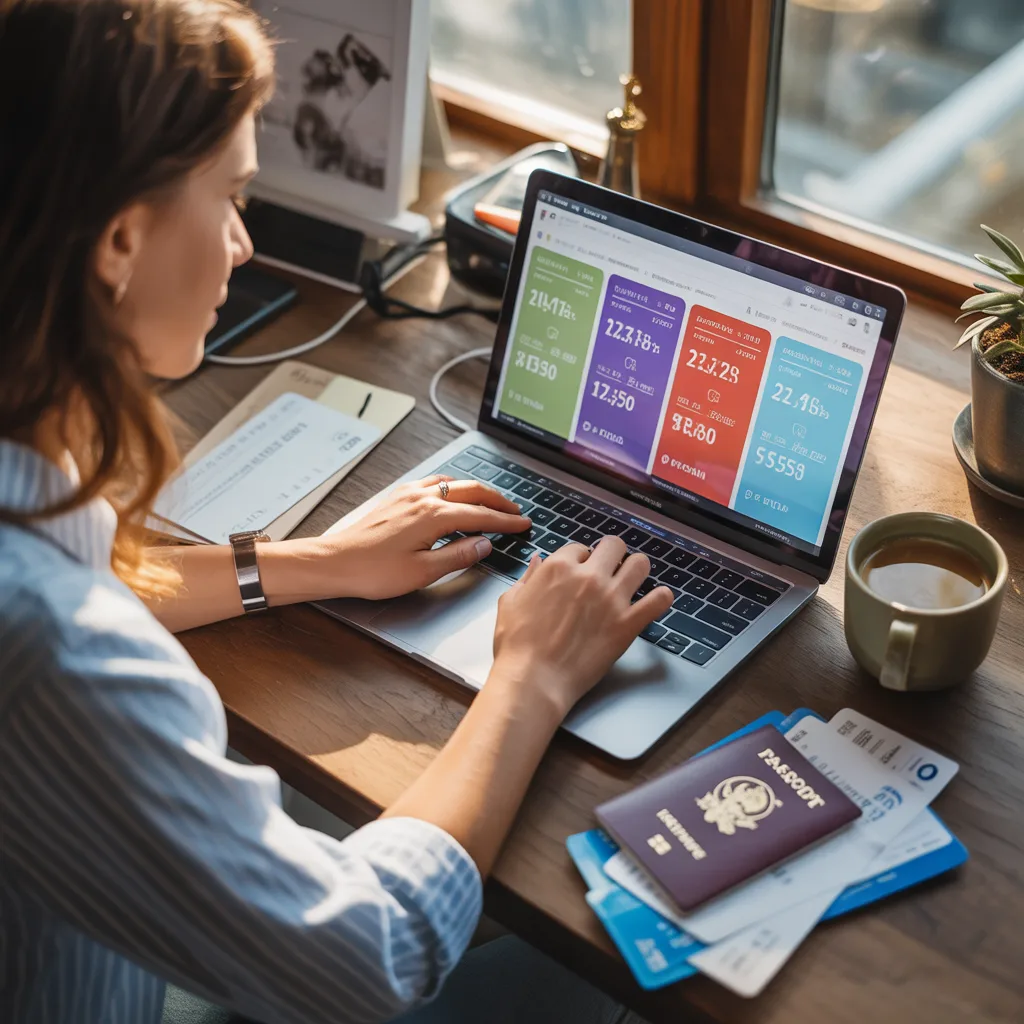
Flights are often the biggest expense for first-time travelers, which means even small savings here make a huge difference. Booking early gives you more choices and better prices before seats start filling up. Instead of waiting until the last minute and paying premium fares, start checking tickets at least two or three months ahead. Use price tracking tools and alerts so you’re notified when fares drop. It’s almost like playing a little game. Watch, wait, and strike when the price feels right. Flexibility helps too. Flying midweek or at odd hours often costs less than popular weekend times.
Another trick is comparing nearby airports. Sometimes a short bus ride to a different airport can cut your ticket price in half. Don’t forget to travel light to avoid baggage fees, which quietly add up. When you approach flight booking strategically instead of emotionally, you stay in control of your budget. And trust me, saving that extra cash feels amazing when you’re spending it on experiences later instead of airfare.
2. Travel During Off-Season

Peak season is exciting, sure, but it’s also expensive and crowded. Hotels double their rates, flights skyrocket, and attractions feel packed. Traveling during the off-season or shoulder season changes everything. Prices drop dramatically, lines shrink, and you actually get to enjoy the place without elbowing through crowds. It feels calmer, more authentic, and surprisingly relaxing. You’ll often interact more with locals because destinations aren’t overwhelmed with tourists.
Weather might be slightly cooler or warmer, but honestly, that’s rarely a deal breaker. Pack smart and you’ll be fine. Plus, imagine exploring museums, beaches, or markets without long waits. Off-season travel stretches your money further and gives you a better overall experience. It’s a quiet win that many beginners overlook, but seasoned travelers swear by it.
3. Choose Budget-Friendly Accommodation

You don’t have to stay in luxury hotels to have a great trip. Budget accommodations like hostels, guesthouses, and homestays often provide clean, comfortable spaces at a fraction of the cost. Many even include kitchens or free breakfast, which saves more money daily. Hostels, especially, are great for first-timers because they’re social. You meet other travelers, swap stories, and maybe even find people to explore with.
If you prefer privacy, budget hotels or short-term rentals are excellent alternatives. Always read reviews and check locations before booking. Staying slightly outside tourist hotspots can reduce prices significantly while still keeping you close to attractions. Comfortable doesn’t have to mean expensive. A cozy, safe place to sleep is really all you need.
4. Pack Light to Avoid Extra Fees
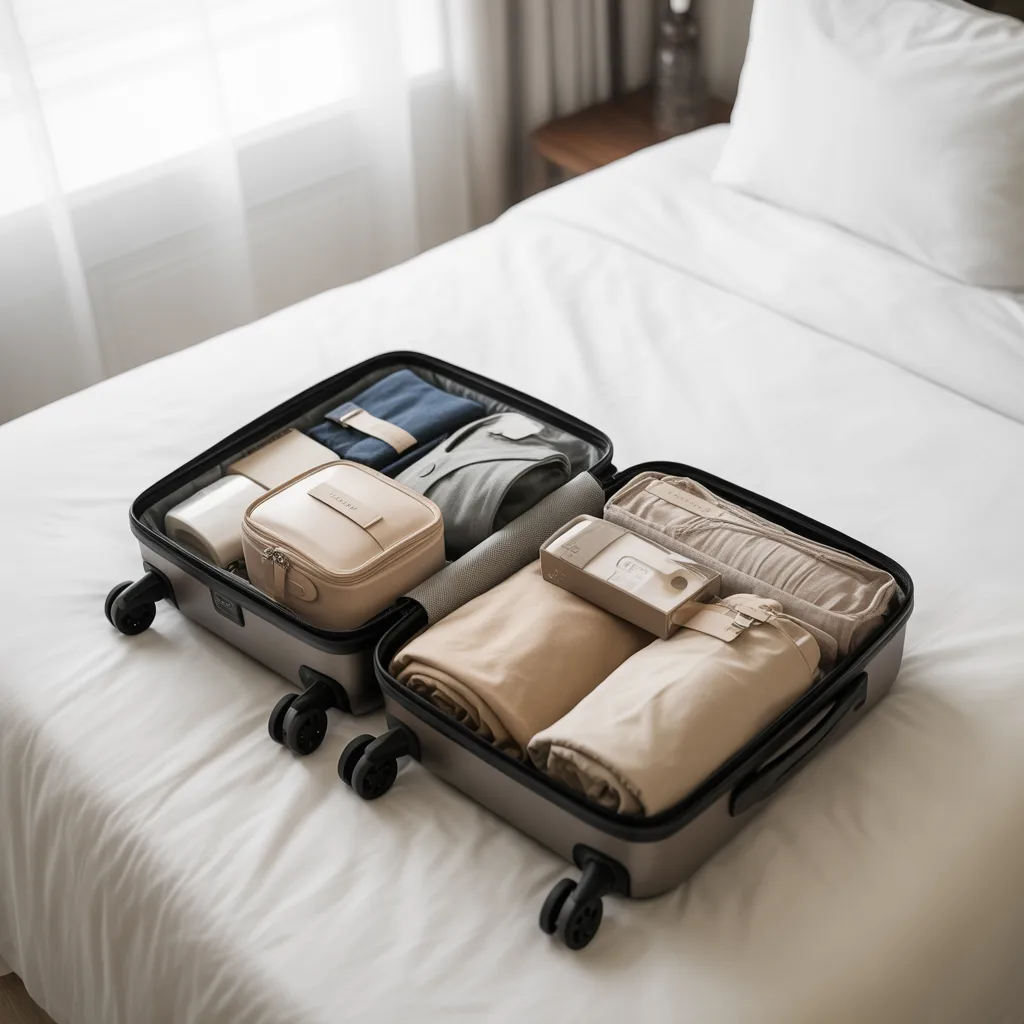
Overpacking is a rookie mistake that costs both money and comfort. Checked baggage fees add up quickly, and dragging heavy suitcases through streets or public transport gets exhausting fast. Packing light keeps everything simpler. Stick to versatile clothes you can mix and match. Think layers and neutrals that work together.
A carry-on bag often covers everything you need for a week or more. You’ll move faster, skip baggage claim, and avoid surprise charges. Less stuff also means less stress. Funny how freedom feels lighter when your luggage is too.
5. Use Public Transportation
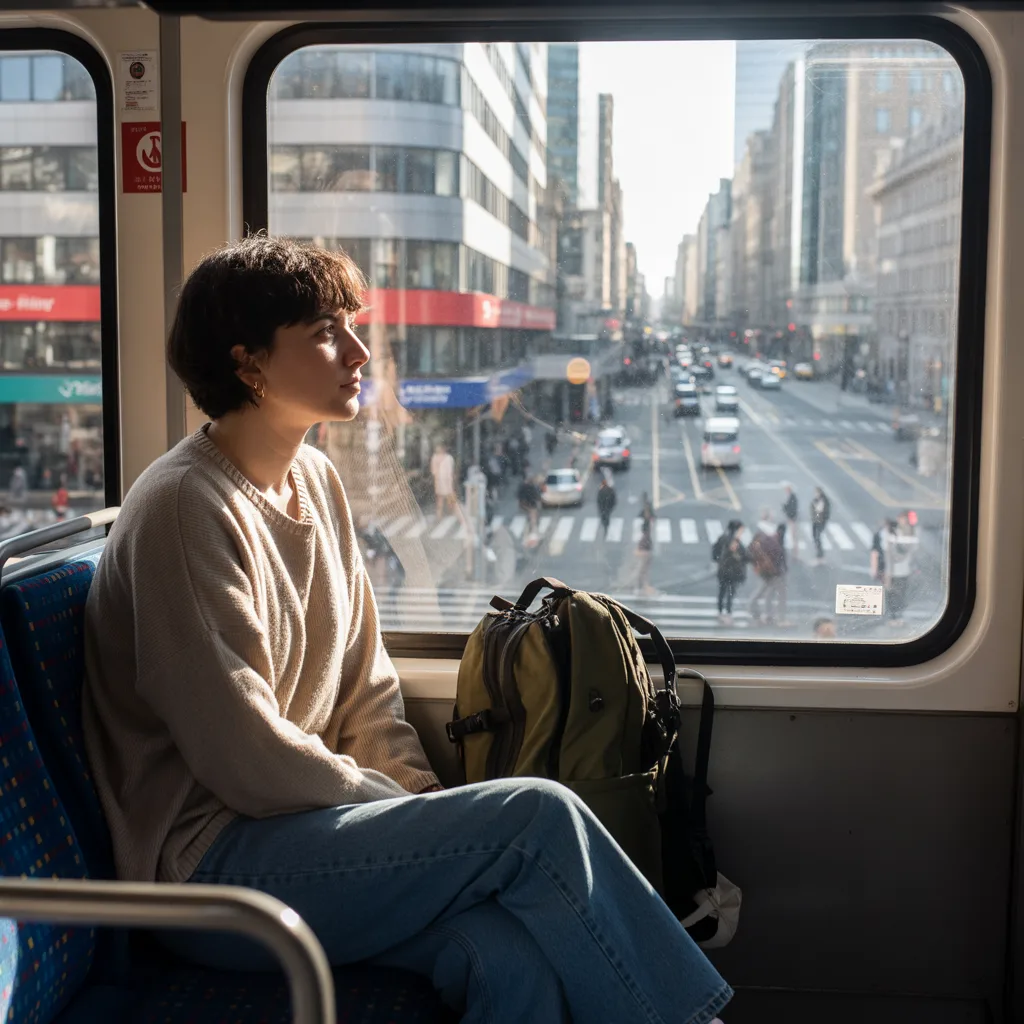
Taxis and rideshares are convenient but expensive. Public transportation saves serious money and helps you experience the city like a local. Buses, metros, and trams are usually cheap, reliable, and easy to learn. Most cities offer daily or weekly passes that reduce costs even more.
Plus, you see everyday life unfolding around you. Markets, neighborhoods, real culture. It’s part of the adventure. A little navigation challenge makes travel feel authentic and rewarding.
6. Eat Like a Local
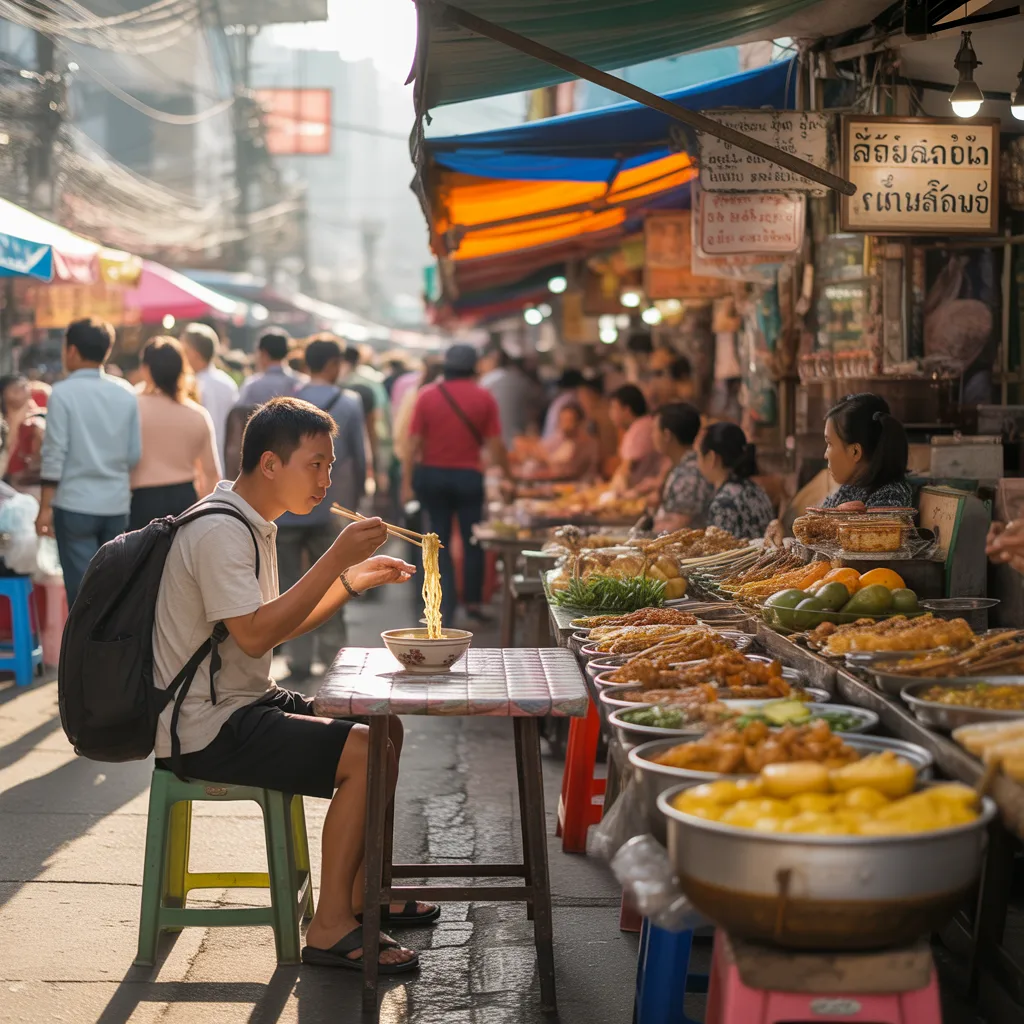
Tourist restaurants almost always charge tourist prices, and it’s one of the fastest ways to blow through your travel budget without even realizing it. Menus near famous landmarks often look tempting, but once you sit down, the bill tells a different story. Instead, wander a few streets away from busy attractions and you’ll notice something interesting. Smaller cafés, food stalls, and family-run eateries start appearing, filled with locals chatting and enjoying simple meals. That’s your sign. These places usually serve fresher, more authentic dishes at half the price. You’re not paying for location or fancy décor, just good food made with care.
Eating like a local also adds depth to your trip. You taste real flavors, not watered-down tourist versions. Maybe it’s a bowl of noodles from a street vendor, warm bread from a corner bakery, or a home-style curry in a tiny shop with plastic chairs. These meals often become your favorite memories. Plus, the savings add up quickly, giving you more room in your budget for experiences instead of overpriced plates. Follow the locals, trust busy spots, and don’t be afraid to try something new. Your wallet and your taste buds will both be happy.
7. Bring a Reusable Water Bottle
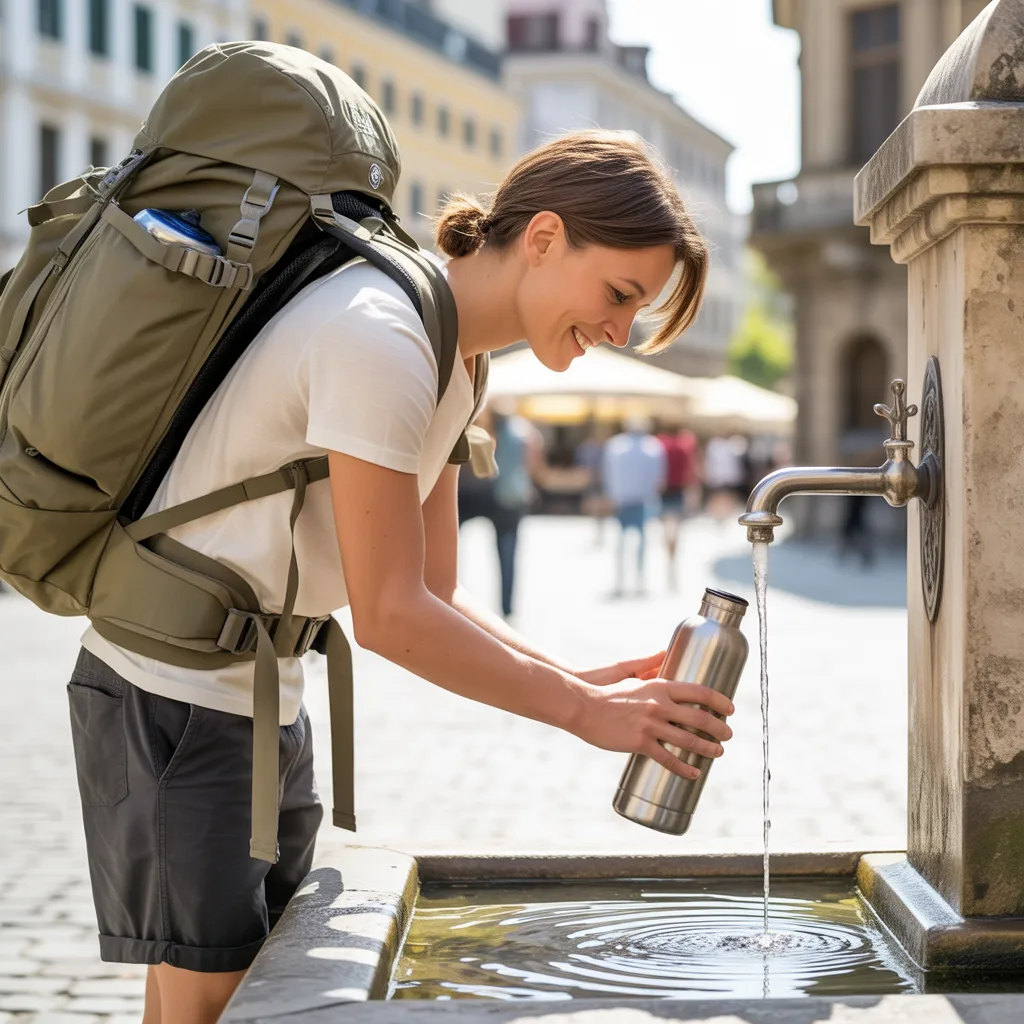
It sounds small, almost too simple to matter, but buying bottled water every single day quietly drains your travel funds. One bottle here, another there, and suddenly you’ve spent more than you expected. In many destinations, especially warm ones, you’ll need water constantly. Instead of repeatedly paying for plastic bottles, bring a sturdy reusable water bottle with you. It’s lighter than you think, easy to carry, and saves money from day one. Many airports, hotels, cafés, and public spaces now have refill stations, so staying hydrated doesn’t cost a thing.
Beyond saving money, this habit also makes you a more responsible traveler. Less plastic waste means you’re leaving a smaller environmental footprint, which is something every traveler can feel good about. It’s one of those tiny lifestyle tweaks that quickly becomes second nature. Fill up before heading out each morning and you’re set for the day. Simple, practical, and budget-friendly, this one change pays off more than you’d expect over the course of a trip.
8. Plan Free Activities
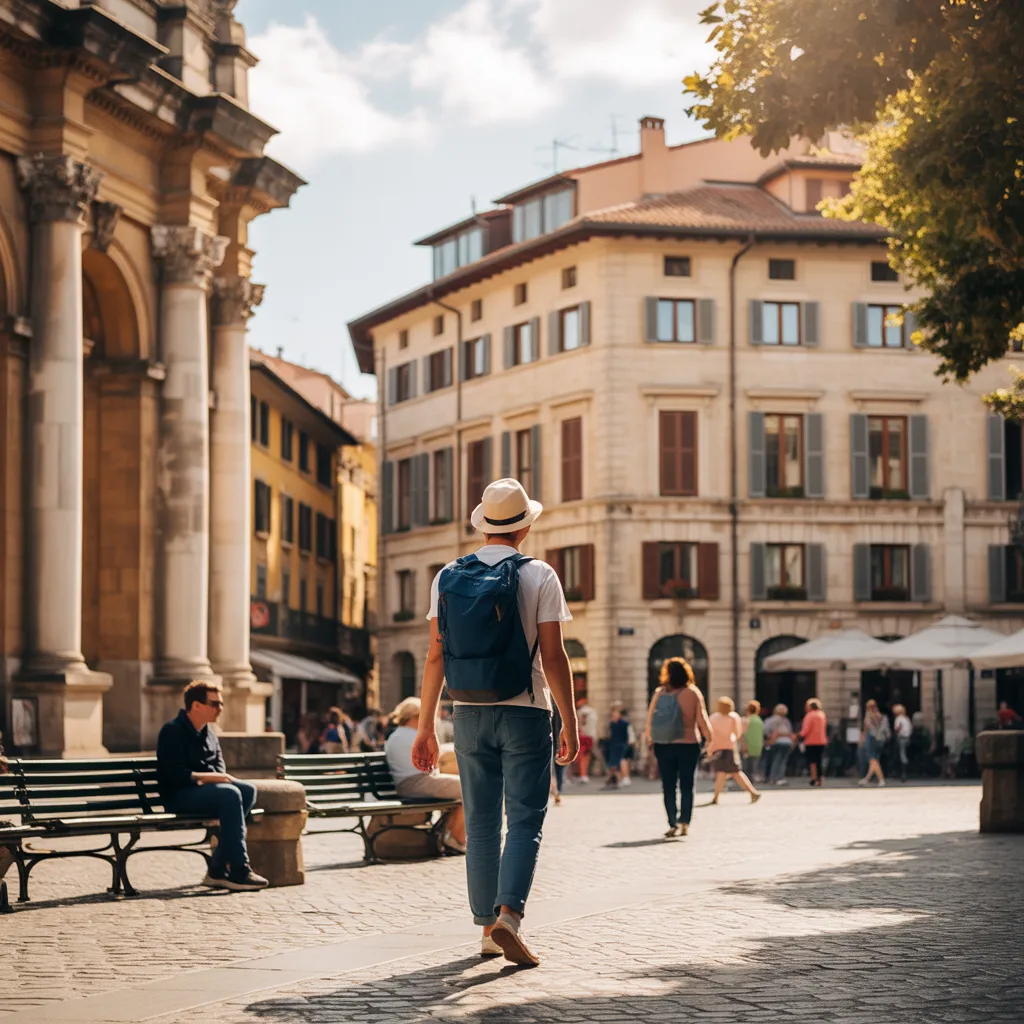
Not every memorable travel experience has to come with a price tag. In fact, some of the best moments are completely free. Many cities offer free walking tours, public parks, beaches, open markets, cultural festivals, and museums with complimentary entry days. A little research before your trip can uncover dozens of no-cost activities that are just as exciting as paid attractions. Instead of packing your schedule with expensive tours, mix in these free options to balance your spending. It keeps your budget healthy while still filling your days with adventure.
Free activities often feel more authentic too. You’re strolling through neighborhoods, people-watching in plazas, or discovering street performances instead of rushing through ticket lines. There’s a relaxed pace that makes everything more enjoyable. Download city guides, check tourism websites, or ask locals for recommendations. You’ll be surprised how much there is to see and do without spending a dime. Sometimes the simplest experiences turn out to be the most meaningful ones.
9. Book Attractions in Advance
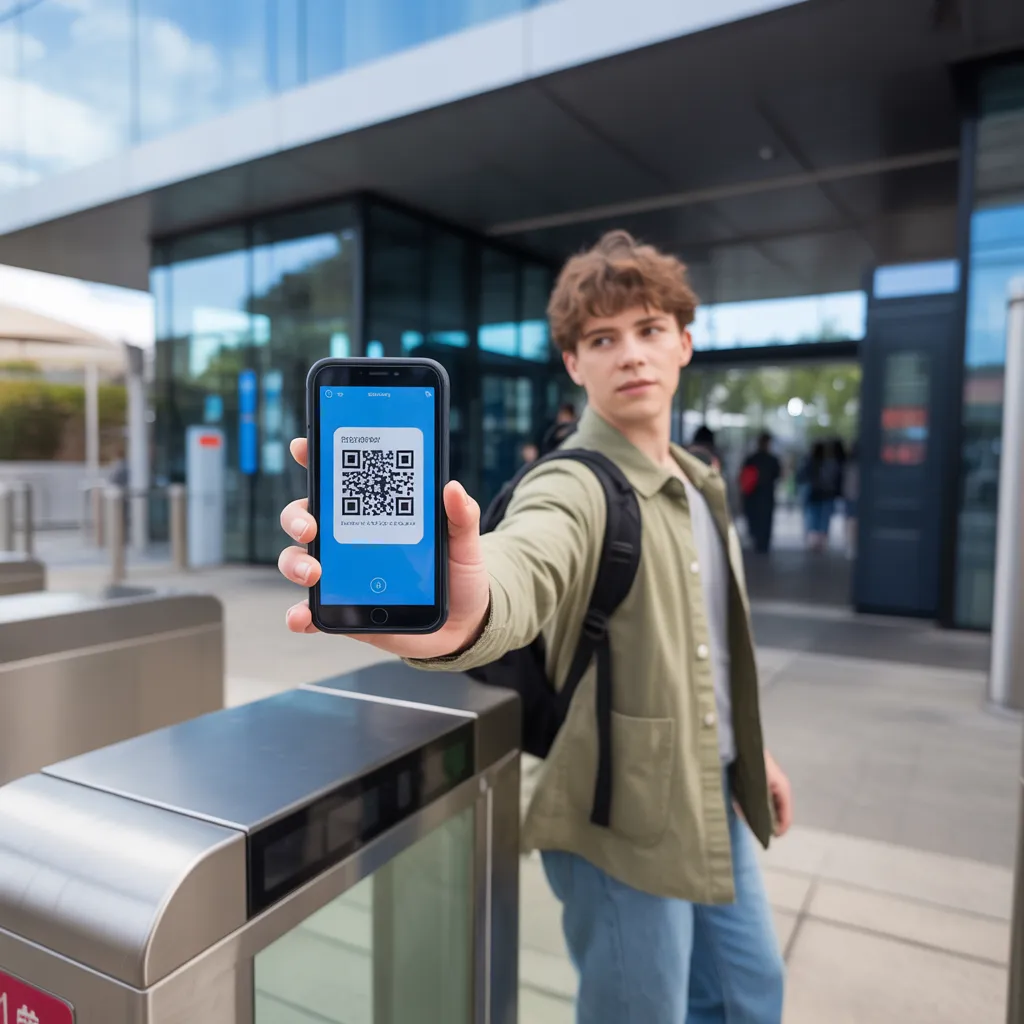
Last-minute tickets often cost more, and nothing stings quite like paying extra just because you didn’t plan ahead. Popular attractions, tours, and activities frequently offer discounts when booked online in advance. You not only save money but also avoid long queues and sold-out signs. For first-time travelers, this is a huge stress reliever. Instead of scrambling at the entrance or wasting time waiting in lines, you simply walk in, show your ticket, and start enjoying the experience immediately.
Planning ahead also helps you organize your days better. When major attractions are already scheduled, the rest of your itinerary flows more smoothly. You’ll spend less time figuring things out on the spot and more time actually exploring. It’s a small effort that makes a big difference in both budget and convenience. Think of it as paying smarter, not paying more.
10. Set a Daily Budget
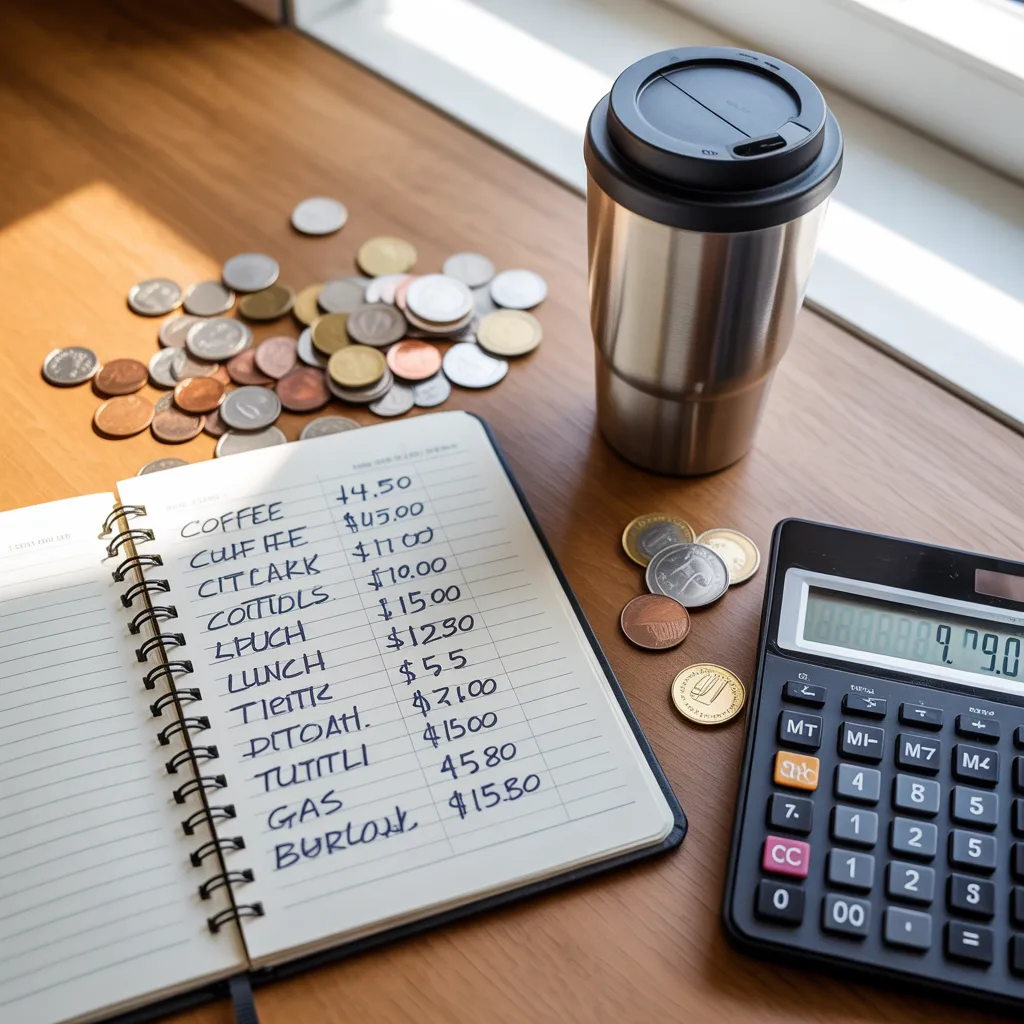
When you’re traveling, money can disappear faster than you expect. A coffee here, souvenirs there, maybe an extra snack or taxi ride, and suddenly you’re over budget without realizing how it happened. Setting a daily spending limit keeps everything under control. Before your trip, divide your total budget by the number of days you’ll travel. That number becomes your guide. It doesn’t mean you can’t enjoy yourself. It simply gives you awareness and balance.
Some days you might spend less, which leaves room to splurge later on something special like a show or unique experience. Tracking expenses in a small notebook or phone app makes a big difference. It helps you stay mindful without feeling restricted. Instead of worrying about money constantly, you travel with confidence because you know exactly where you stand. That peace of mind is priceless.
11. Use Travel Reward Cards
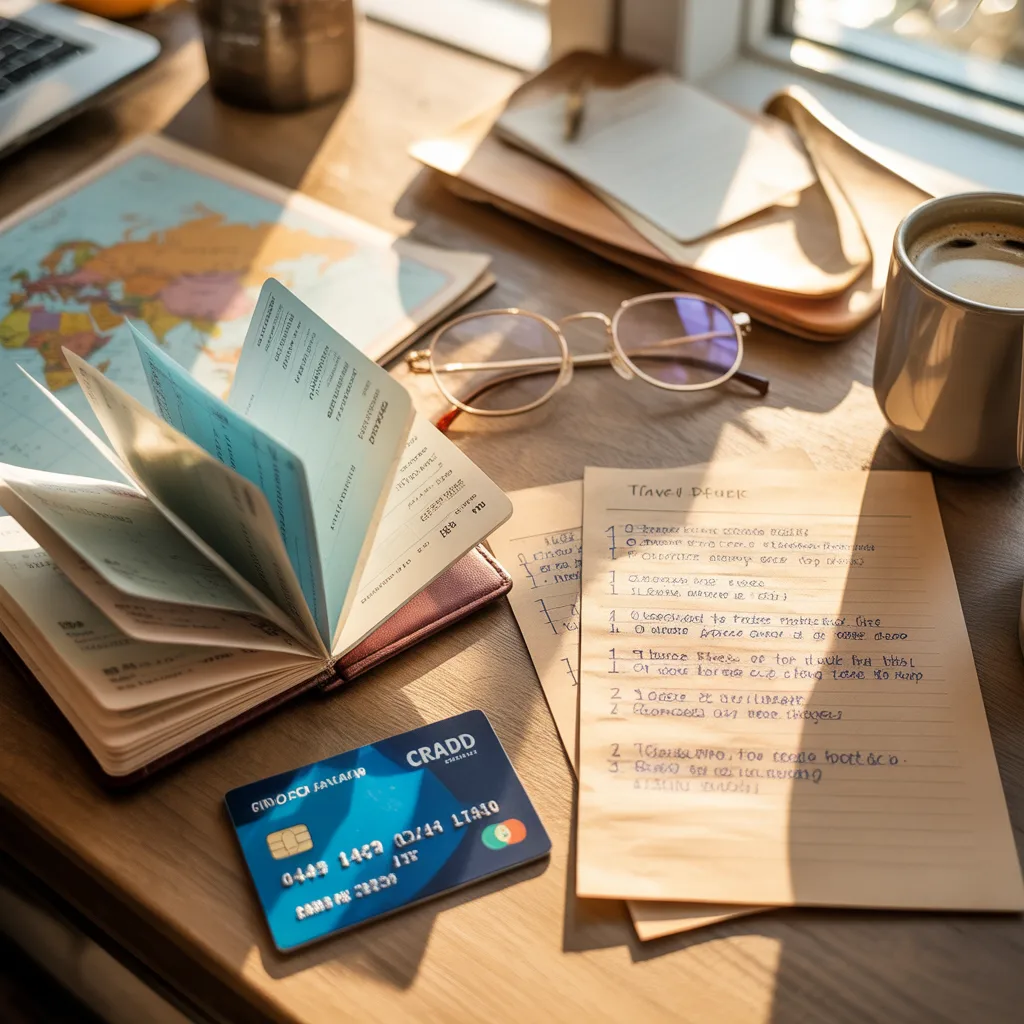
Travel reward cards can quietly become your best friend if used wisely. Many credit cards offer points or miles for everyday purchases like groceries, fuel, and bills. Over time, those points add up and can be redeemed for flights, hotel stays, or travel perks. It’s essentially free travel from money you were already spending. For first-time travelers, this strategy can significantly reduce major expenses without much extra effort.
The key is responsibility. Always pay your balance on time to avoid interest charges that cancel out your savings. Treat the card like cash, not extra money. When used carefully, rewards programs feel like a bonus system that works in your favor. Watching those points turn into a free flight feels surprisingly satisfying and makes future trips more affordable.
12. Cook Simple Meals Occasionally

Trying local food is part of the fun, but eating out for every single meal can get expensive fast. If your accommodation includes a small kitchen or even just basic cooking tools, take advantage of it. Preparing simple breakfasts like eggs, toast, or oatmeal saves a surprising amount over time. Even cooking dinner once or twice can cut costs significantly. Grocery stores are often cheaper than restaurants and give you a peek into local life too.
Cooking also adds balance to your trip. After days of heavy restaurant meals, something homemade feels comforting and familiar. It doesn’t have to be complicated. Think easy pasta, sandwiches, or salads. These small savings stack up quickly, freeing up your budget for experiences that truly matter, like tours or special activities. A little effort goes a long way.
13. Walk Whenever Possible
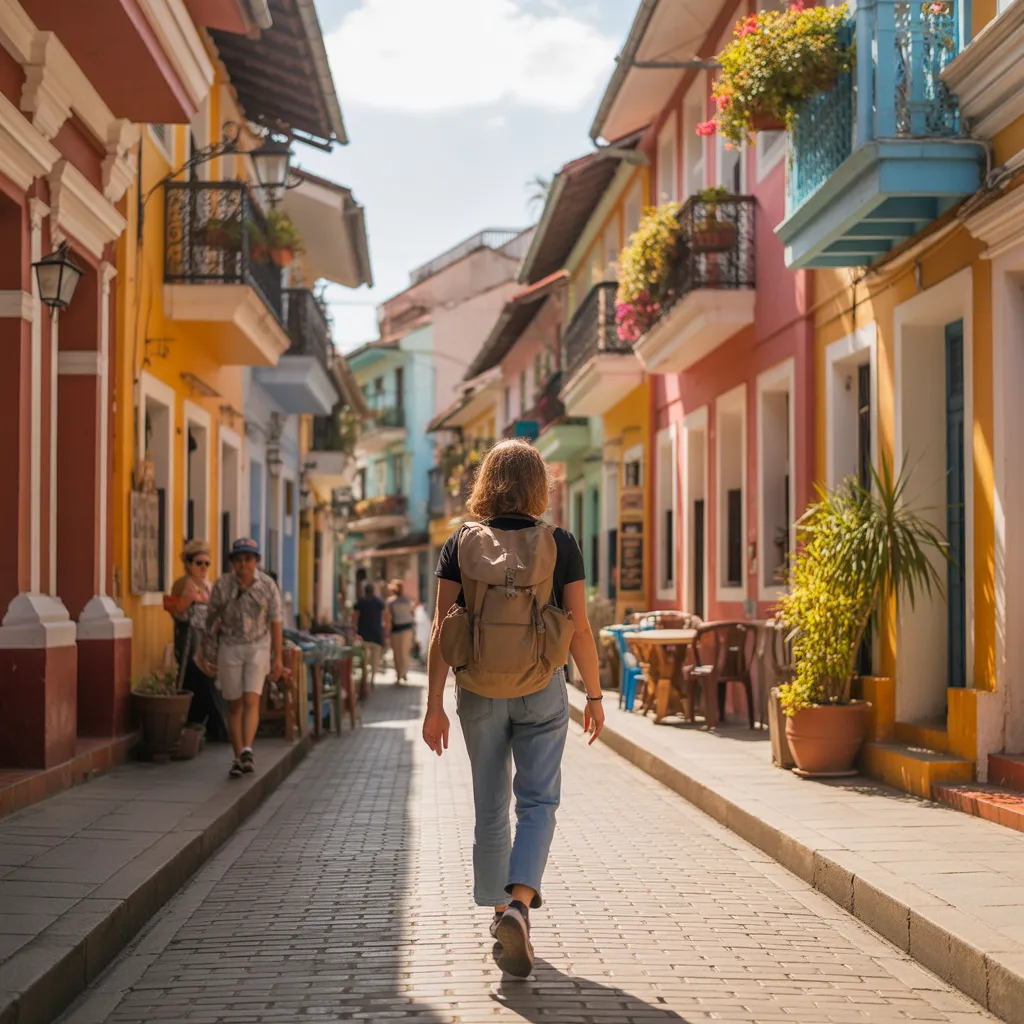
Walking might be the most underrated travel tip of all. It costs absolutely nothing and gives you the chance to see details you’d miss from a taxi or bus window. Charming side streets, tiny cafés, street art, and local shops often reveal themselves when you slow down. These unexpected discoveries are what make trips memorable. Instead of rushing from point A to point B, you actually experience the journey in between.
Plus, walking keeps you active and energized. After long flights or heavy meals, a good stroll feels refreshing. Comfortable shoes are a must, of course, but once you’re set, the city becomes your playground. You’ll save money on transportation while gaining richer experiences. It’s simple, healthy, and surprisingly rewarding.
14. Travel with a Small Group

Traveling solo can be amazing, but sharing a trip with a small group often makes it more affordable. Splitting accommodation costs, taxis, rides, or even groceries lowers expenses for everyone. That private apartment suddenly becomes cheaper than separate hotel rooms. Group discounts for tours or activities can also save extra money. It’s practical and efficient, especially for first-time travelers trying to stick to a budget.
Beyond savings, traveling with others adds comfort and fun. You share responsibilities, swap stories, and feel safer exploring unfamiliar places together. Even simple moments, like navigating a map or trying new food, feel lighter when you’re not alone. It turns the whole trip into a shared adventure. And honestly, memories feel better when you’ve got someone laughing beside you.
15. Avoid Currency Exchange at Airports
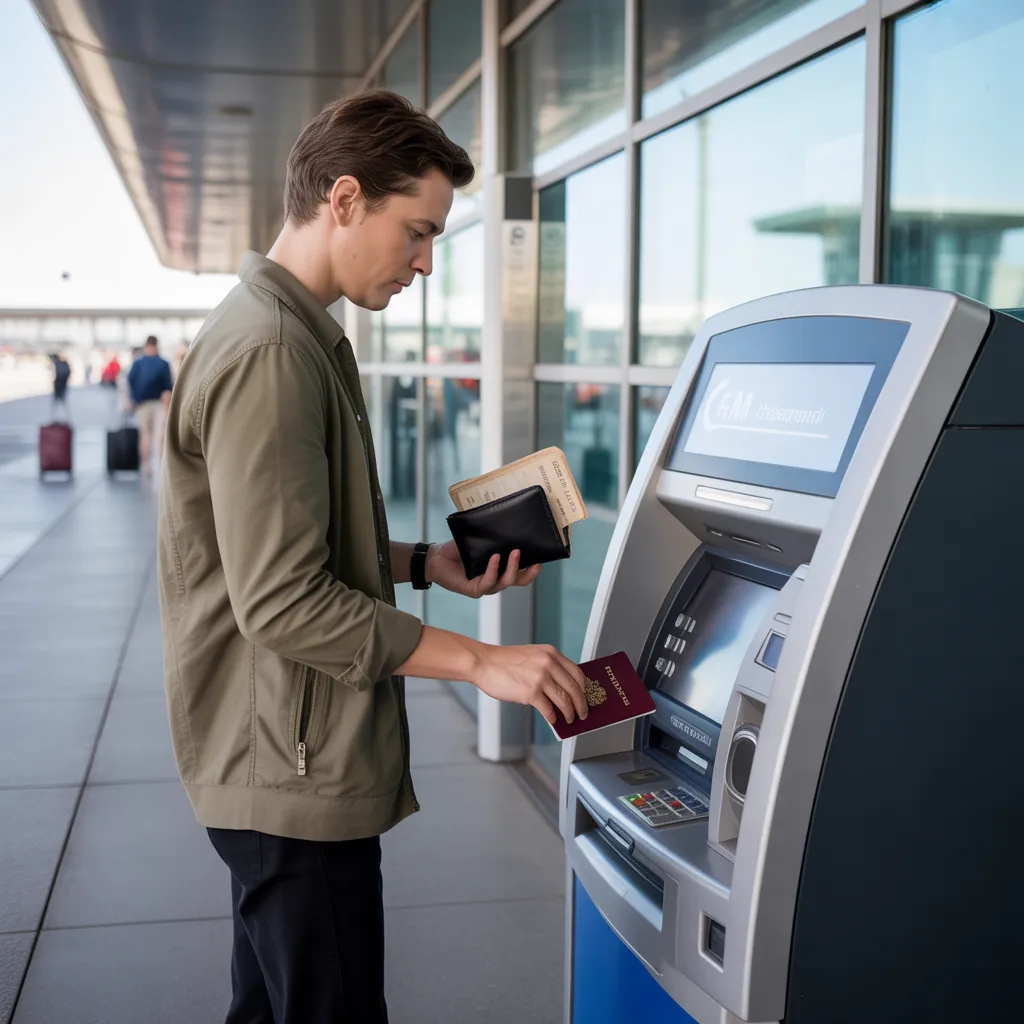
Airport currency exchange counters might seem convenient, but they often have some of the worst rates you’ll find. Hidden fees and poor conversions quietly eat away at your money before your trip even starts. Instead, withdraw cash from local ATMs once you arrive or use a travel-friendly card with low foreign transaction fees. You’ll usually get much better rates and keep more of your money where it belongs.
Planning ahead here makes a noticeable difference. Even small percentage changes add up, especially on longer trips. It’s frustrating to realize you lost money simply because of convenience. A little patience goes a long way. Skip the airport counters and choose smarter options. Your budget will thank you later.
See Also: 14 Dream Destinations to Visit Once in Life
16. Keep an Emergency Fund
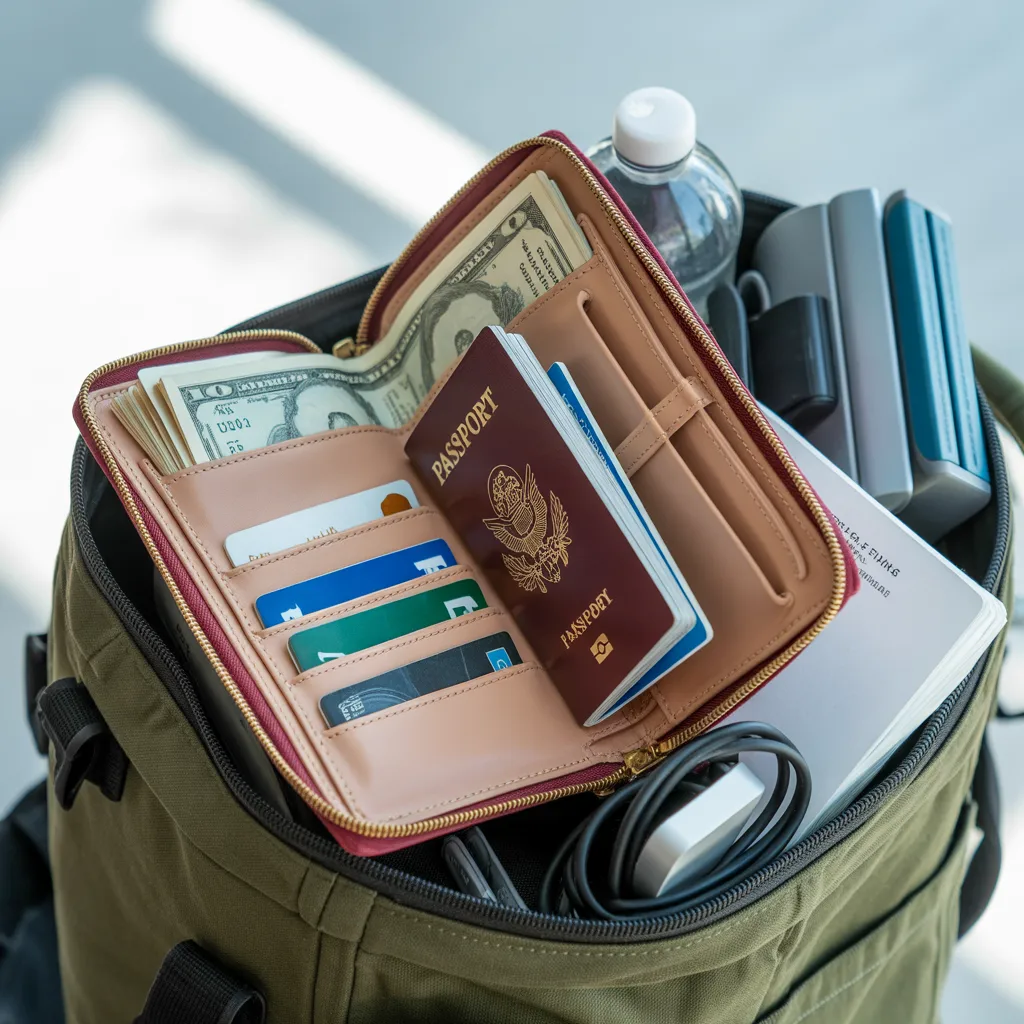
No matter how carefully you plan, surprises happen. Flights get delayed, bags get lost, or plans change unexpectedly. Having a small emergency fund tucked away gives you peace of mind when things don’t go perfectly. Instead of panicking or swiping your card blindly, you already have a cushion to handle whatever comes your way. It’s not money you plan to spend, but money you’re grateful to have just in case.
This safety net reduces stress more than you might expect. Travel feels lighter when you know you’re prepared. Even a modest amount can cover last-minute transport, replacement items, or an extra night’s stay. Think of it as travel insurance for your wallet. When problems pop up, you simply handle them and move on, no drama attached.
Conclusion
Your first trip doesn’t have to be expensive or stressful. These Budget Travel Tips for First Time Travelers show that smart planning beats big spending every time. Save where you can, splurge where it matters, and focus on experiences rather than extras. In the end, it’s not about how much you spend. It’s about the memories you bring home.