15 Braid Styles for Beginners Step-by-Step Inspiration
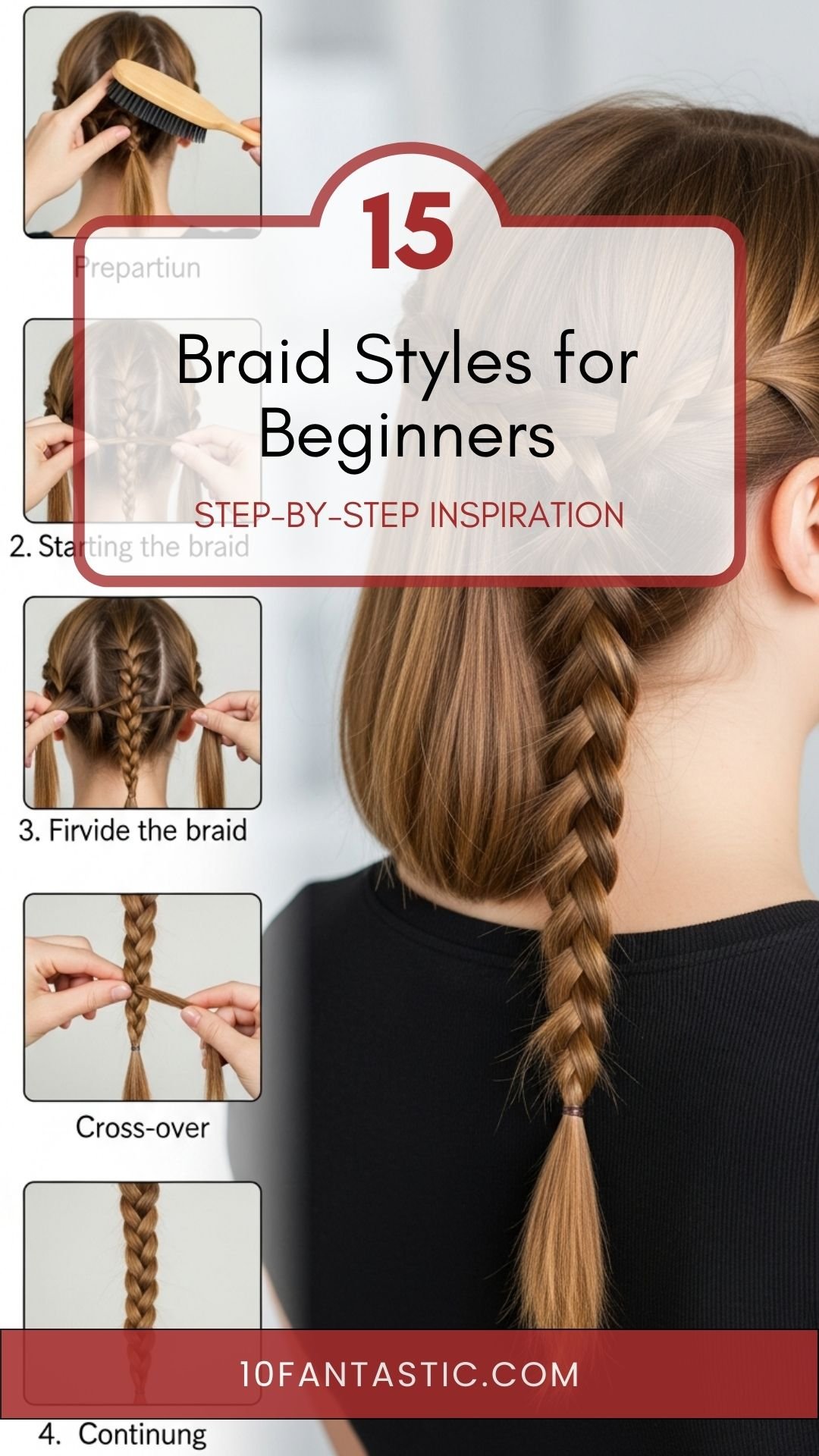
Learning braid styles for beginners can feel intimidating at first, especially when tutorials seem complex or rushed. The truth is, braiding becomes much easier when you start with simple techniques and understand how each step works together. Braid styles for beginners focus on manageable sections, clear patterns, and consistent hand movements that help build confidence over time. With patience and practice, even basic braids can look polished and intentional.
This guide to braid styles for beginners is designed to offer step-by-step inspiration without overwhelming you. Each style is chosen for its simplicity, versatility, and beginner-friendly structure. Whether you’re styling your hair for daily wear, casual outings, or special moments, these braid styles help you develop skills gradually while achieving neat, wearable results.
1. Classic Three-Strand Braid
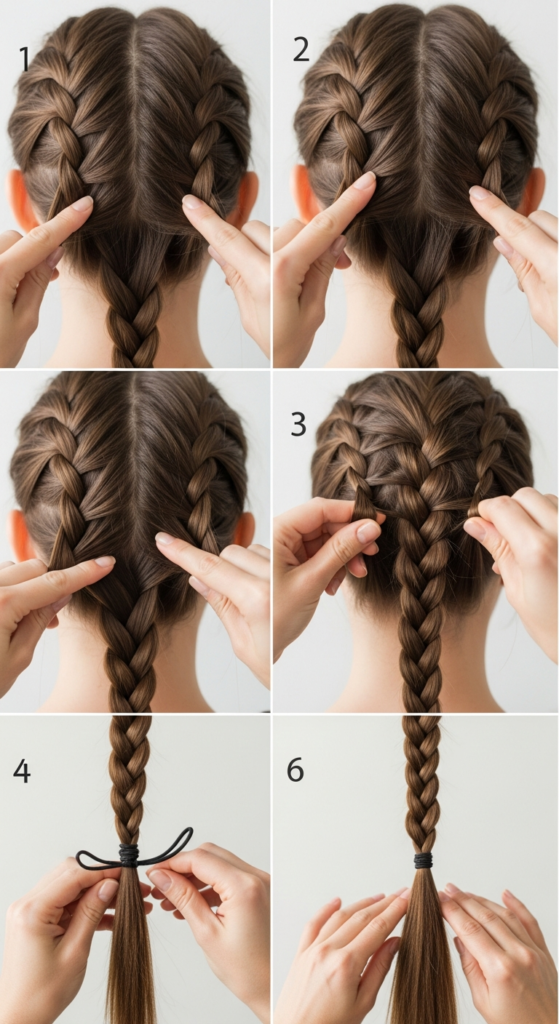
The classic three-strand braid is one of the most foundational braid styles for beginners and serves as the base for many other braiding techniques. This braid teaches essential hand coordination by dividing hair into three equal sections and crossing them over one another in a repeating pattern. Because the steps are straightforward, beginners can focus on maintaining even tension and clean sections, which are key to a neat result.
Practicing this braid helps build muscle memory and confidence. Starting at the nape of the neck allows better control, while braiding loosely at first prevents hand strain. Once comfortable, beginners can experiment with tighter braids or different placements, such as side or crown positioning. Among braid styles for beginners, the three-strand braid is essential because it develops the fundamental skills needed for more advanced styles.
2. Side Braid for Easy Styling
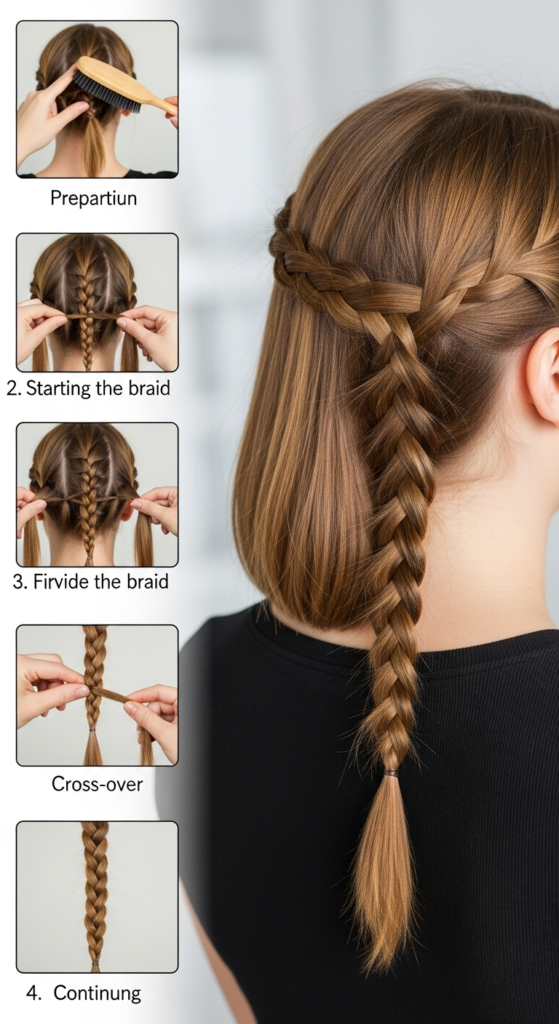
The side braid is one of the most approachable braid styles for beginners because it allows better visibility and control. By pulling hair over one shoulder, beginners can clearly see each section as they braid, reducing mistakes and uneven tension. This style uses the same three-strand technique but feels more relaxed and forgiving, making it ideal for early practice.
Side braids work well on various hair lengths and textures, offering versatility without complexity. Keeping the braid loose creates a soft, casual look, while tightening it produces a cleaner finish. This braid can be worn for everyday activities or dressed up slightly for casual events. Among braid styles for beginners, the side braid is popular because it balances ease with visual appeal, encouraging beginners to continue practicing.
3. Low Braided Ponytail
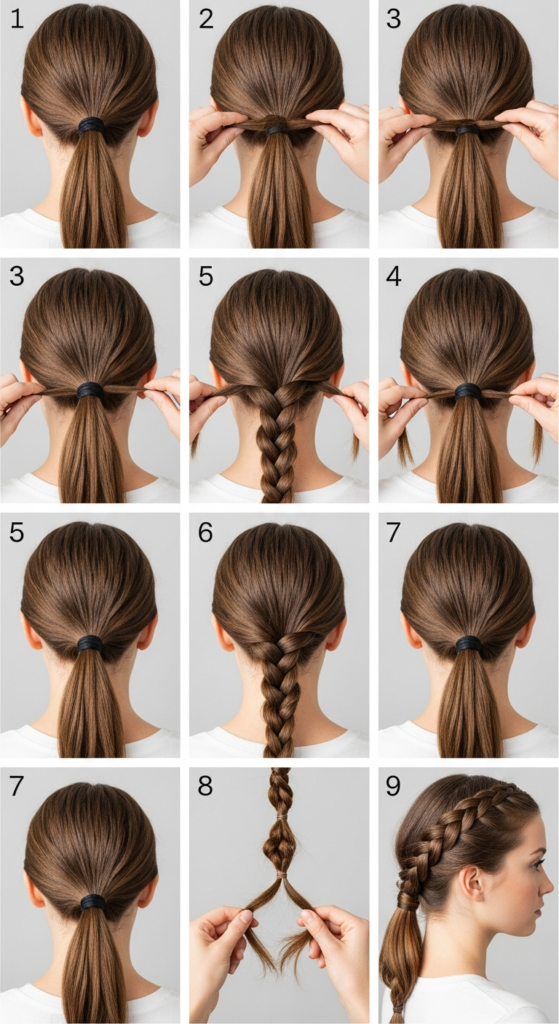
A low braided ponytail is a practical option among braid styles for beginners because it combines a simple ponytail with a basic braid. Starting with a secured ponytail helps control loose strands and keeps sections neat, making braiding more manageable. This style is ideal for beginners who struggle with keeping sections separated while braiding.
The braid begins at the base of the ponytail, allowing consistent tension and smooth movement. This makes it easier to maintain an even pattern throughout the braid. The low placement also reduces arm fatigue during practice. Among braid styles for beginners, the low braided ponytail is effective for daily wear and skill-building, offering a clean and polished look with minimal effort.
4. Loose Everyday Braid
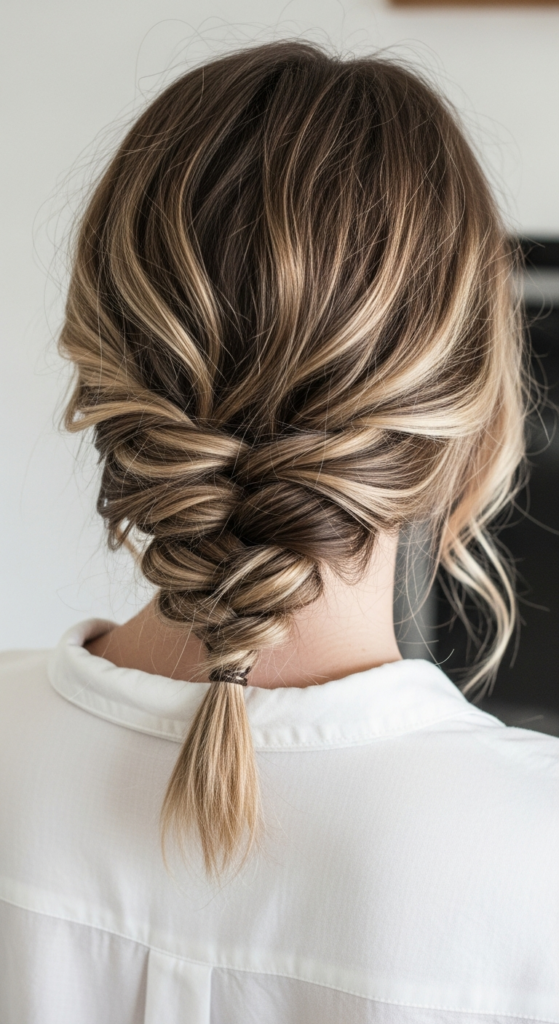
A loose everyday braid is one of the most forgiving braid styles for beginners because it focuses on comfort rather than precision. This style uses the basic three-strand technique but allows the braid to remain relaxed instead of tightly pulled. For beginners, this removes pressure to make every section perfect and helps develop a natural rhythm while braiding. Loose braids are ideal for casual days, at-home practice, or low-effort styling.
The key to achieving a good loose braid is gentle tension and even sectioning at the start. Beginners should focus on keeping the strands separated without pulling too tightly, allowing the braid to form naturally. Slightly tugging the braid after finishing can enhance softness and volume. Among braid styles for beginners, loose braids build confidence quickly because minor mistakes blend into the relaxed texture, making the final look appear intentional rather than flawed.
5. Half-Up Simple Braid
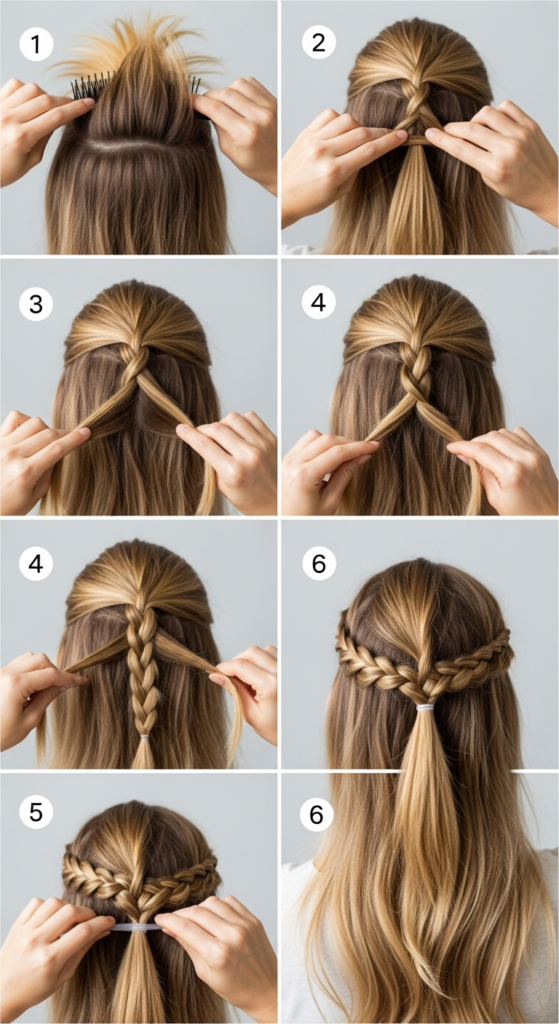
The half-up simple braid is one of the most visually rewarding braid styles for beginners because it creates a styled look with minimal effort. This braid involves sectioning off the top portion of the hair and braiding it while leaving the rest loose. Since only part of the hair is braided, beginners can focus on technique without managing full head volume.
This style is excellent for learning section control and braid placement. Beginners can start the braid near the crown or slightly back from the hairline, depending on comfort. The remaining loose hair hides small imperfections, boosting confidence. Among braid styles for beginners, the half-up braid is popular because it feels stylish and achievable, encouraging continued practice while producing a polished, wearable result.
6. Two-Strand Rope Braid
The two-strand rope braid is one of the easiest braid styles for beginners because it uses only two sections instead of three. This makes hand coordination simpler while still producing a defined braided look. The technique involves twisting two strands individually and then wrapping them around each other in the opposite direction. This repeated motion helps beginners understand tension control.
Starting with a low ponytail makes the rope braid even more manageable. Securing the hair first prevents slipping and keeps sections clean. The finished braid appears structured yet simple, making it suitable for daily wear. Among braid styles for beginners, the rope braid stands out for teaching foundational twisting skills while delivering a neat, beginner-friendly result.
7. Crown Braid for Controlled Practice

The crown braid is one of the most rewarding braid styles for beginners because it introduces structure without overwhelming complexity. This style involves braiding sections around the head, teaching beginners how to guide hair in a circular direction. Although it may look advanced, breaking it into small steps makes it manageable. Beginners benefit from learning how to section hair evenly and maintain consistent tension as the braid wraps around the crown.
Practicing a crown braid helps improve coordination and spatial awareness. Beginners should start loosely, focusing on direction rather than perfection. Using mirrors or practicing on one side first makes the process easier. This braid builds confidence by showing beginners that more styled looks are achievable with patience. Among braid styles for beginners, the crown braid is ideal for developing control while creating a polished appearance suitable for casual or semi-formal settings.
8. Boxer Braids With Simple Parting
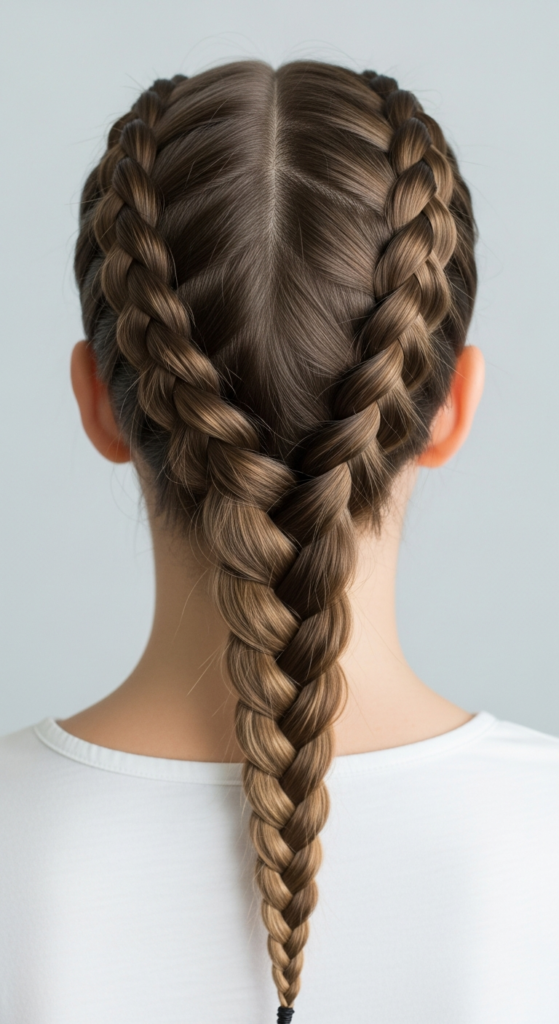
Boxer braids are structured yet approachable braid styles for beginners because they rely on symmetry and repetition. This style involves creating two braids on either side of the head using clear center parting. While it requires attention to sectioning, the repetitive motion helps beginners quickly understand braid flow and consistency. Starting slowly allows better control and cleaner results.
Using loose tension initially helps beginners avoid frustration. Clear parting is more important than tight braiding at this stage. Boxer braids are excellent for practicing balance and hand coordination. Among braid styles for beginners, this style builds discipline and structure while delivering a neat, secure look suitable for active or everyday wear.
9. Fishtail-Inspired Beginner Braid
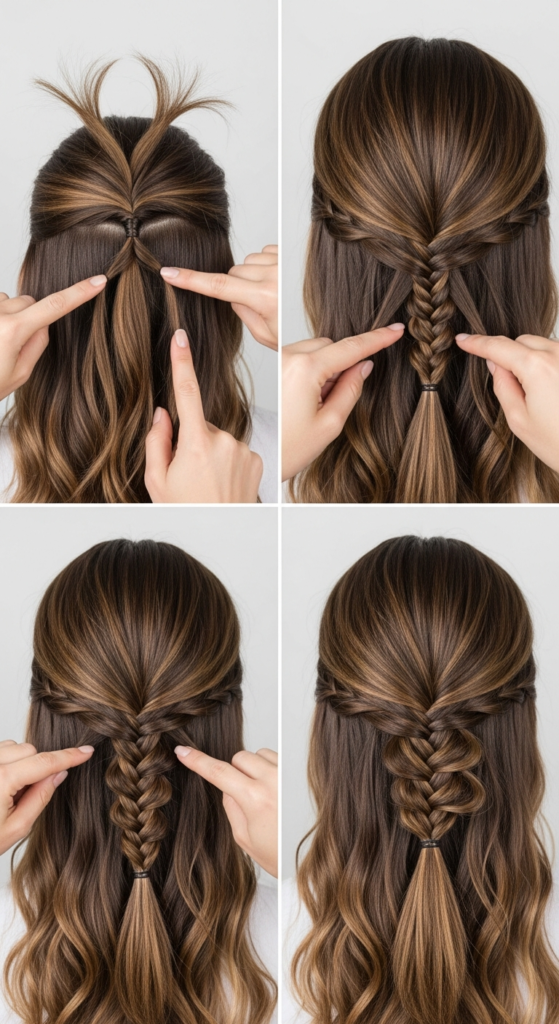
A simplified fishtail braid is one of the most visually impressive braid styles for beginners once basic coordination improves. This beginner version uses larger sections to reduce complexity while still teaching the alternating pattern that defines fishtail braids. The slow, repetitive motion helps beginners stay focused without rushing.
Starting with a ponytail makes section control easier. Beginners should concentrate on consistent section size rather than speed. This braid teaches patience and precision while producing a textured result. Among braid styles for beginners, simplified fishtail braids help bridge the gap between basic and intermediate techniques while remaining achievable.
10. Side Rope Braid for Easy Control
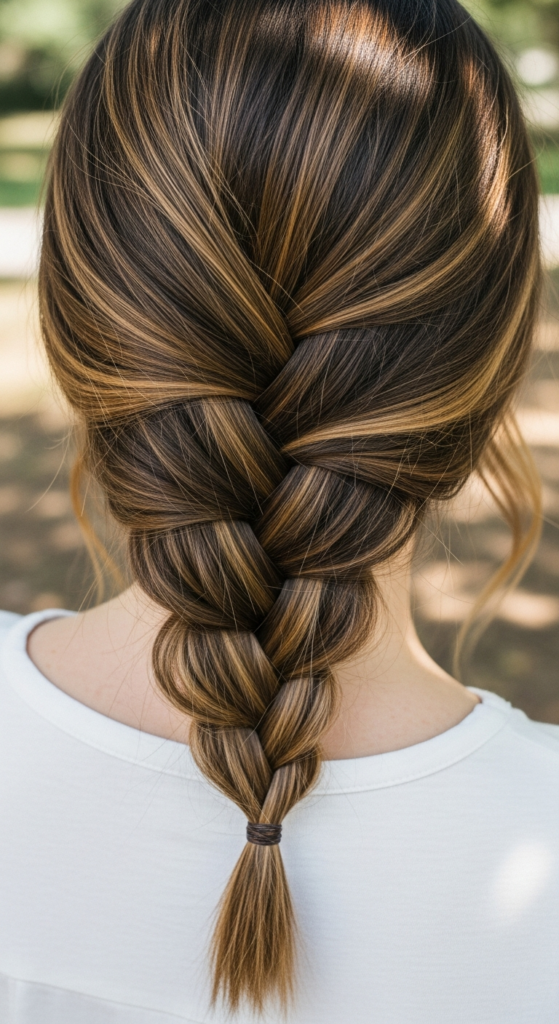
The side rope braid is one of the most approachable braid styles for beginners because it uses twisting instead of traditional weaving. This style involves dividing hair into two sections and twisting them in the same direction before wrapping them around each other in the opposite direction. Placing the braid to one side of the head allows beginners to see their hands clearly, making the learning process much easier. This visibility reduces confusion and helps improve coordination, especially for those new to hairstyling techniques.
What makes this braid especially beginner-friendly is its forgiving nature. Minor inconsistencies blend into the twisted texture, so perfection isn’t required. Beginners can practice maintaining even tension while twisting, which strengthens hand control and rhythm. This braid works well for casual days, relaxed outings, or quick styling sessions. Among braid styles for beginners, the side rope braid builds confidence quickly while producing a neat and stylish look with minimal effort.
11. Ladder Braid With Simplified Sections
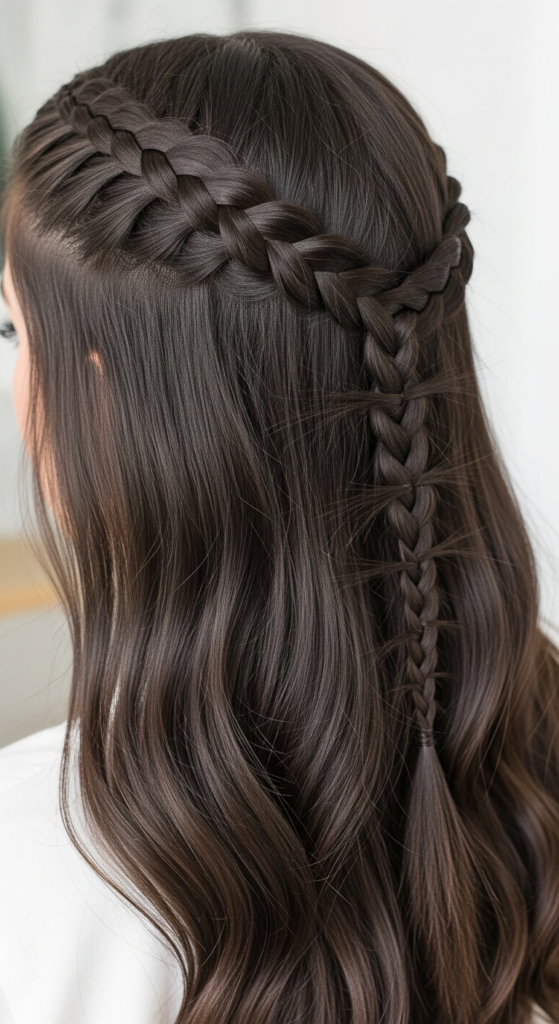
The ladder braid may look intricate, but a simplified version makes it one of the more creative braid styles for beginners ready to try something new. This braid involves creating small loops along one side of the hair while braiding the opposite section normally. Beginners benefit from learning how to separate and reuse strands, which strengthens sectioning skills without requiring advanced speed or precision.
Practicing this braid improves focus and teaches beginners how to manage multiple strands without losing structure. Starting with loose tension helps maintain clarity while learning the pattern. Although it requires patience, the final result feels rewarding and visually unique. Among braid styles for beginners, the ladder braid encourages experimentation while remaining achievable through slow, deliberate steps.
12. Milkmaid Braid With Loose Styling
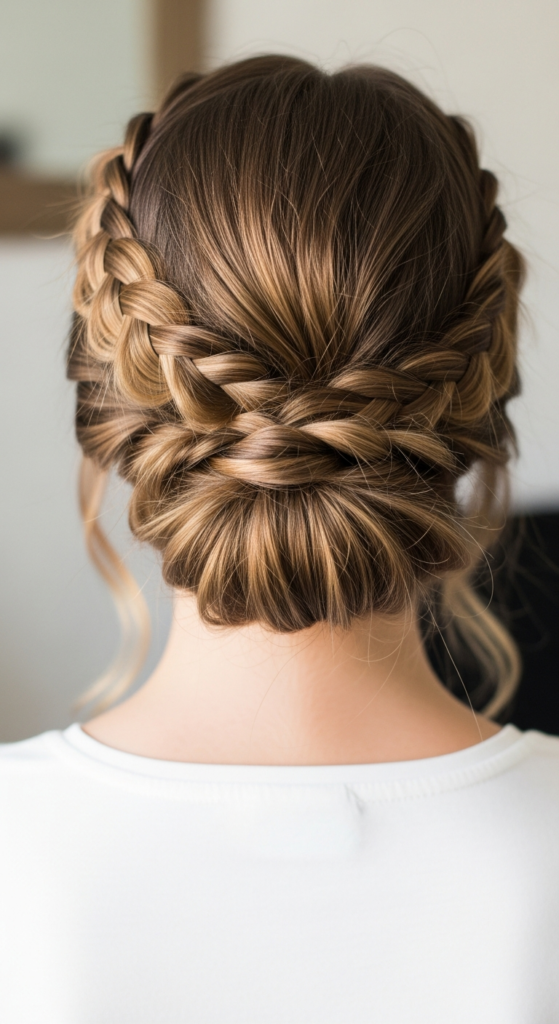
The milkmaid braid is a soft, wrapped style that helps beginners practice braiding and pinning simultaneously. This hairstyle involves creating two simple braids and wrapping them over the head, securing them with pins. Beginners can focus on basic braiding techniques while learning how placement affects the final look. Loose styling keeps the process stress-free and forgiving.
This braid improves spatial awareness and styling confidence. Beginners should focus on symmetry rather than tightness, allowing flexibility during placement. The milkmaid braid works well for casual, bohemian, or everyday styles. Among braid styles for beginners, it introduces updos in a simple and approachable way while maintaining a relaxed aesthetic.
See More: 13 Classy Winter Town Outfits
13. Accent Braids for Partial Styling
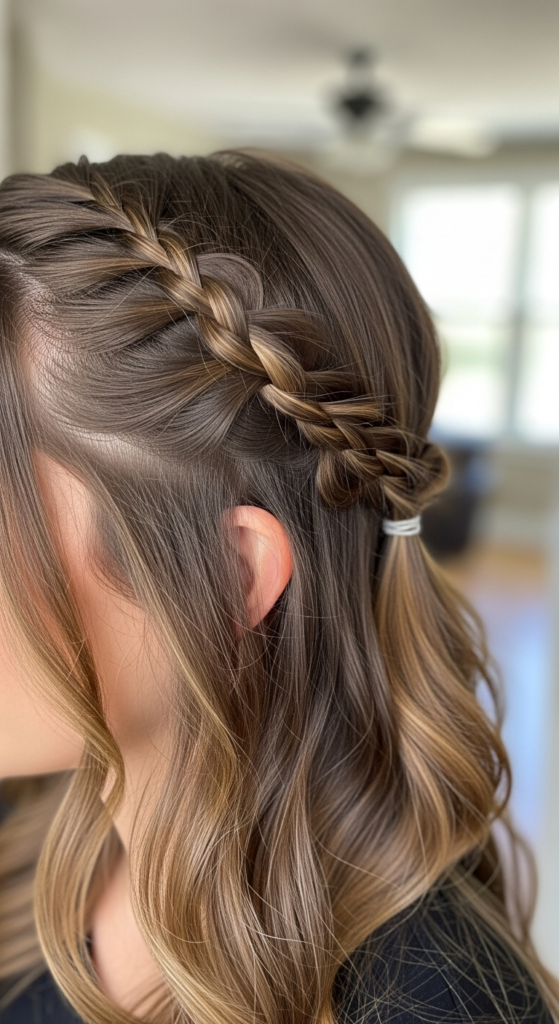
Accent braids are ideal braid styles for beginners because they don’t require full-head commitment. This style involves braiding a small section of hair while leaving the rest loose. Beginners can practice technique without worrying about overall balance or tension across the entire head. Accent braids work well near the temples, crown, or sides.
This approach builds confidence while improving finger control. Beginners can repeat the same braid multiple times to improve consistency. Accent braids also allow creativity with placement and size. Among braid styles for beginners, this option encourages experimentation while delivering stylish results with minimal effort.
14. Braided Ponytail for Structured Learning
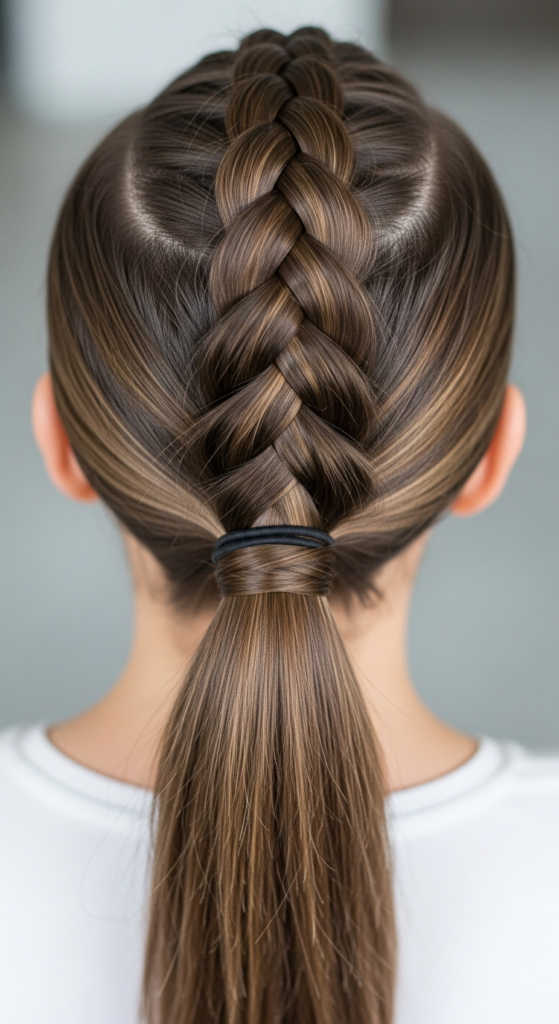
A braided ponytail combines simplicity with structure, making it one of the most practical braid styles for beginners. Starting with a ponytail reduces loose strands and helps beginners focus on technique rather than hair management. Once secured, the ponytail can be braided using a basic three-strand method.
This style teaches control, consistency, and finishing skills. Beginners learn how braid tension affects the final appearance while maintaining a clean look. The braided ponytail is versatile, working well for casual, sporty, or polished styles. Among braid styles for beginners, it reinforces foundational skills while producing a neat and wearable result.
15. Simple Braided Headband
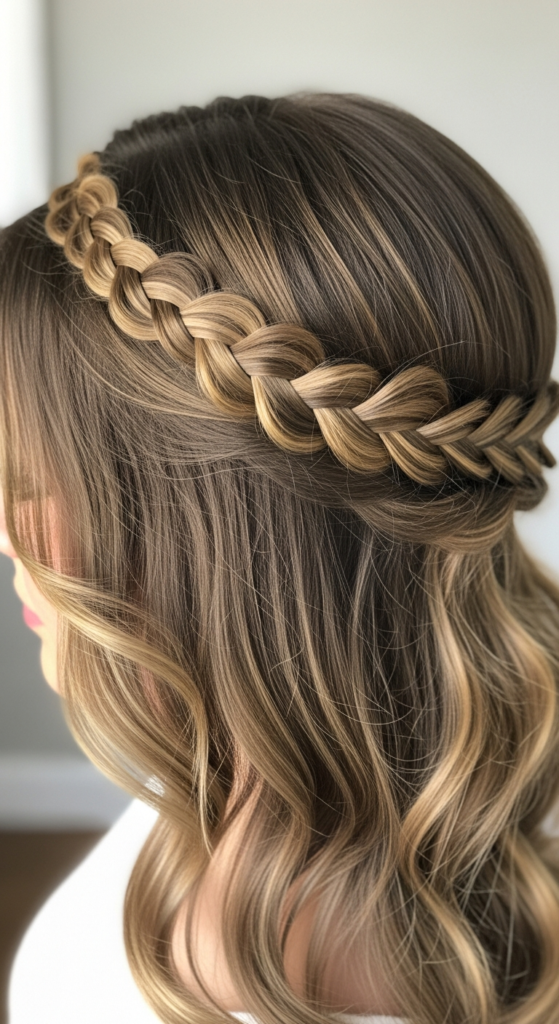
The braided headband is a gentle introduction to creative placement, making it one of the most elegant braid styles for beginners. This style involves braiding a small front section and positioning it across the head like a headband. Beginners can focus on neat sectioning and smooth braiding without handling the entire head.
This braid enhances confidence in styling details and finishing touches. Using light tension helps maintain comfort and flexibility. The braided headband pairs beautifully with loose hair, ponytails, or buns. Among braid styles for beginners, it offers a refined look while remaining simple, controlled, and achievable.
Conclusion
Braid styles for beginners are more than just simple hairstyles; they are practical learning tools that help build confidence, coordination, and creativity over time. By starting with approachable techniques and gradually practicing more structured patterns, beginners can develop strong foundational skills without feeling discouraged. Each braid style serves a specific purpose, whether it’s improving section control, understanding hair direction, or mastering consistent tension. When practiced regularly, these techniques become second nature, allowing beginners to move from basic looks to more polished and intricate designs with ease.
What makes braid styles for beginners especially valuable is their versatility. These styles work for everyday wear, casual outings, workouts, and even special occasions with small adjustments. Learning braiding also encourages patience and attention to detail, both essential for achieving neat, long-lasting results. With the right mindset and consistent practice, anyone can master these styles and expand their hairstyling abilities. By using these beginner-friendly braid ideas as inspiration, you can confidently explore new looks while enjoying the creative process that comes with learning how to braid.