17 Life Skills Everyone Should Learn Early in Life
Life Skills Everyone Should Learn Early can quietly shape the entire course of your life, often in ways you don’t even notice at first. While grades and achievements matter, it’s these everyday abilities that truly help you navigate the real world with confidence. From managing money to communicating clearly, these skills become the steady foundation beneath everything you do. Without them, even small challenges can feel overwhelming.
Think about it for a second. The people who seem calm, capable, and independent usually aren’t lucky. They simply learned certain habits early and practiced them until they became second nature. The good news is that it’s never too late to start. Whether you’re teaching kids or improving yourself, these seventeen life skills will make daily life smoother, stronger, and far more rewarding.
1. Managing Personal Finances

Learning how to handle money early saves you from countless headaches later. Understanding budgeting, saving, and spending wisely helps you stay in control instead of constantly stressed. Even simple habits like tracking expenses or setting monthly limits build strong financial awareness. It’s about making smart choices, not restricting yourself.
Start with small steps like creating a basic budget or opening a savings account. Over time, those tiny decisions add up to stability and freedom. When you know where your money goes, you feel confident and prepared, not anxious about every bill that shows up.
2. Cooking Basic Meals

Knowing how to cook isn’t just convenient, it’s empowering. Instead of relying on takeout, you can prepare healthy, affordable meals anytime. Simple dishes like eggs, rice, pasta, or vegetables become lifesavers on busy days. It’s a skill that supports both your health and your wallet.
Start with a few easy recipes and build from there. Experimenting in the kitchen can actually be fun and relaxing. Plus, cooking for yourself or others creates a sense of independence that feels incredibly satisfying.
3. Time Management

Time slips away faster than we think. Without a plan, days get filled with distractions and unfinished tasks. Learning to manage time early teaches you how to prioritize what truly matters. Suddenly, life feels less rushed and more intentional.
Use planners, calendars, or simple to-do lists to stay organized. Breaking big goals into smaller steps makes everything feel doable. Once you control your schedule instead of chasing it, stress drops and productivity rises naturally.
4. Clear Communication

Being able to express your thoughts clearly changes everything. Whether talking to friends, teachers, or coworkers, good communication prevents misunderstandings. It helps you build stronger relationships and gain respect. People listen when you speak confidently.
Practice listening as much as talking. Ask questions, stay calm, and choose words carefully. When you communicate well, doors open more easily because others trust and understand you.
5. Emotional Regulation

Life isn’t always smooth, and emotions can get messy. Learning how to manage anger, stress, and disappointment helps you stay steady during tough moments. Instead of reacting impulsively, you respond thoughtfully. That small difference changes outcomes dramatically.
Simple techniques like deep breathing or taking short breaks work wonders. Over time, you become more resilient and less overwhelmed. Emotional control doesn’t mean hiding feelings, it means handling them wisely.
6. Problem Solving

Problems show up whether we like it or not. The ability to think logically and find solutions keeps you from feeling stuck. Instead of panicking, you analyze the situation step by step. That mindset builds confidence fast.
Practice looking at challenges from different angles. Break them into smaller pieces and tackle one at a time. The more you solve, the stronger your problem-solving muscle becomes.
See Also: 11 Travel Mistakes Beginners Always Make
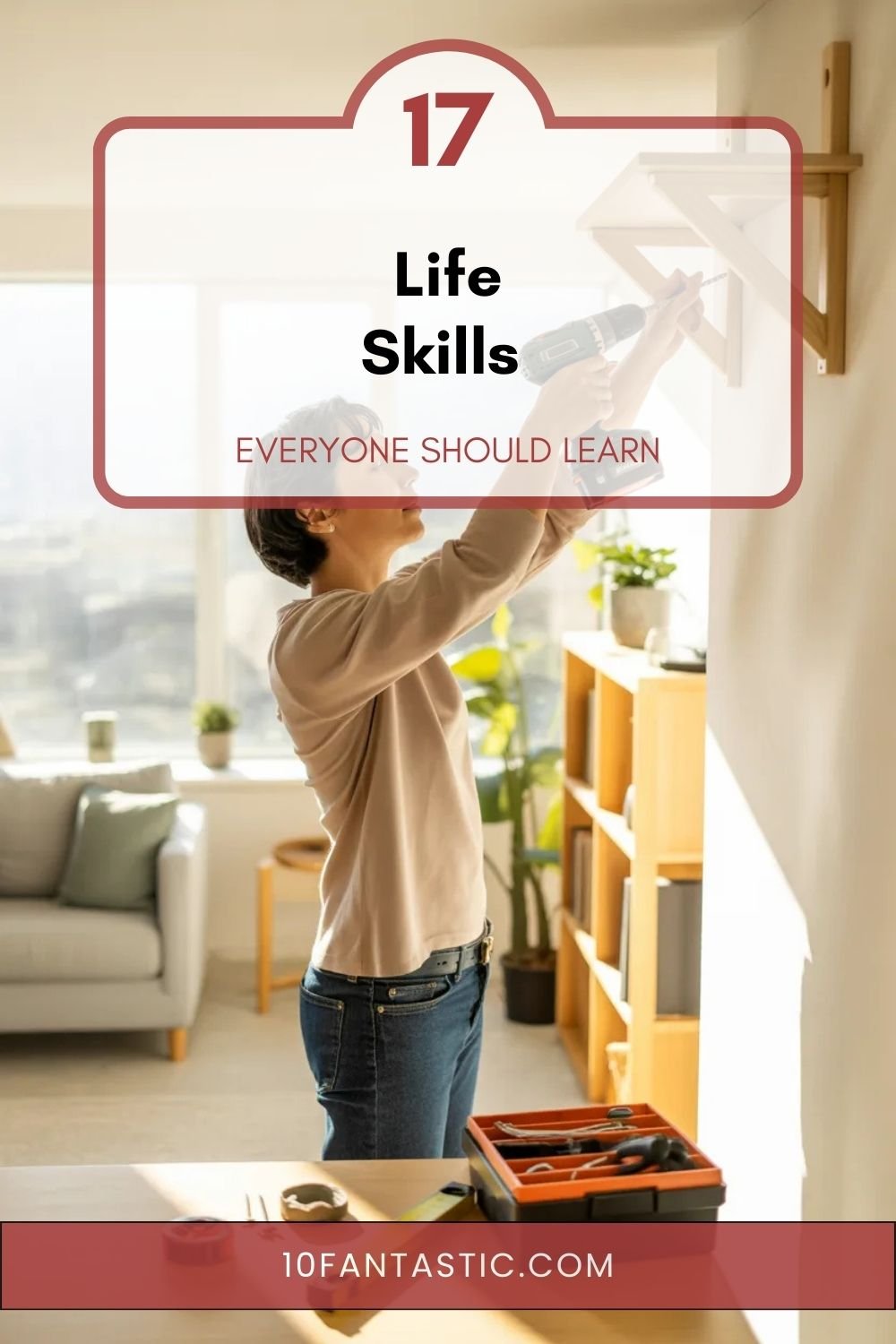
7. Basic Home Maintenance

Knowing how to fix small household issues saves time and money. Changing a lightbulb, unclogging a drain, or tightening screws might seem minor, but they matter. You feel capable instead of helpless when something breaks.
Keep a small toolkit and learn the basics gradually. These simple skills make everyday life smoother. Plus, there’s real satisfaction in solving problems with your own hands.
8. Healthy Eating Habits
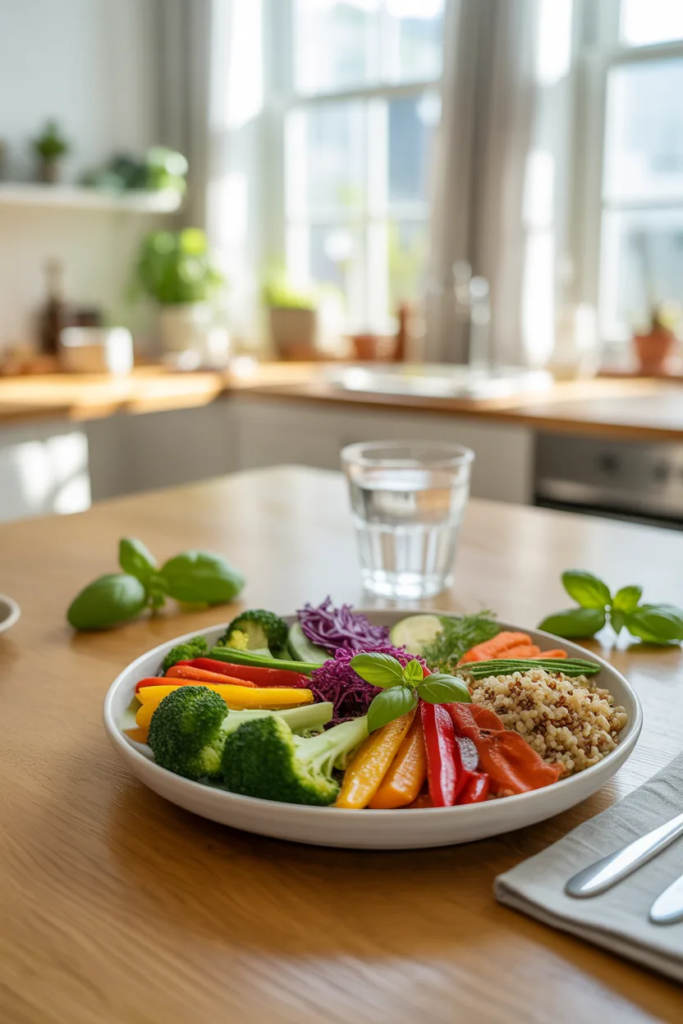
Food affects energy, mood, and focus more than we realize. Learning to choose balanced meals helps you feel better throughout the day. It’s not about strict diets but smart, consistent choices. Small changes lead to big improvements.
Fill your plate with fruits, vegetables, and whole foods. Drink water regularly and avoid excessive junk food. Over time, healthy eating becomes natural, not forced.
9. Goal Setting

Without goals, it’s easy to drift aimlessly. Setting clear targets gives you direction and motivation. Even small milestones create momentum and excitement. You know exactly what you’re working toward.
Write goals down and track progress regularly. Celebrate small wins along the way. This habit builds discipline and keeps you focused on growth instead of distractions.
10. Critical Thinking

Critical thinking helps you question information instead of accepting everything blindly. It teaches you to analyze, compare, and make informed decisions. This skill protects you from mistakes and misinformation. It’s incredibly valuable in today’s world.
Practice evaluating both sides of any issue. Ask why and how, not just what. The more you think deeply, the better choices you make in life.
11. Self-Discipline

Motivation comes and goes, but discipline keeps you moving forward. Showing up consistently, even when you don’t feel like it, creates long-term success. It’s the quiet habit behind every achievement. Small efforts compound over time.
Start with simple routines like waking up on time or finishing tasks before relaxing. The more you practice discipline, the easier it becomes. Eventually, it feels automatic rather than forced.
12. Basic First Aid
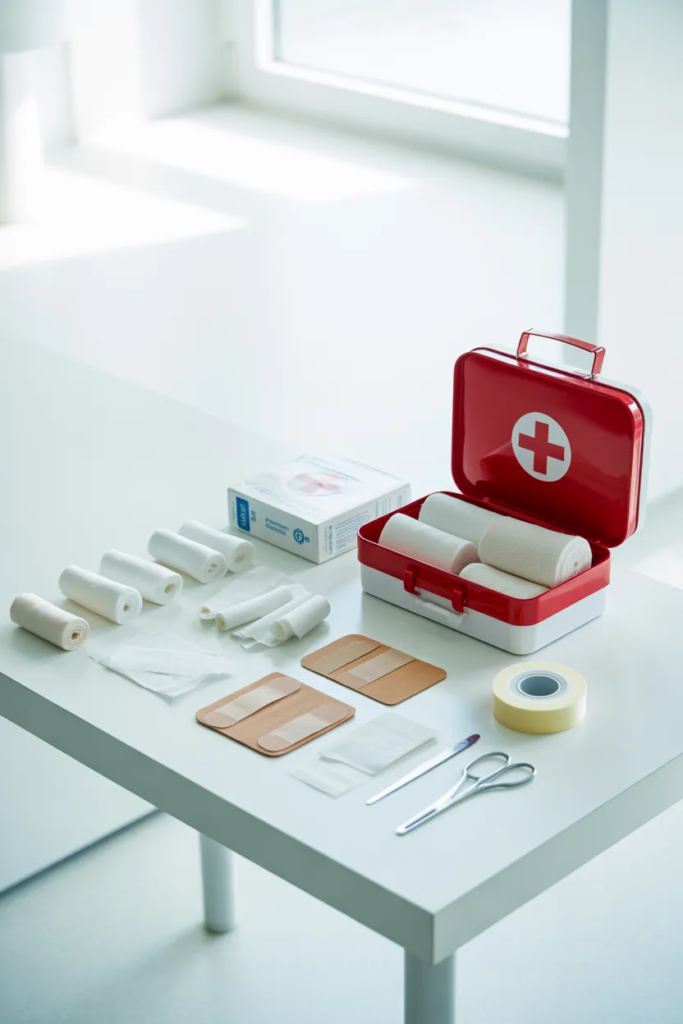
Accidents happen unexpectedly, and knowing basic first aid can make a huge difference. Simple skills like cleaning a wound or performing CPR can even save lives. It’s knowledge you hope never to use but are grateful to have.
Take a short course or watch reliable tutorials. Being prepared brings peace of mind. In emergencies, calm action matters more than panic.
13. Digital Literacy

Technology is part of everyday life now. Understanding how to use devices safely and efficiently is essential. From online security to basic software skills, digital literacy keeps you confident and informed. It helps you adapt quickly.
Learn how to protect personal information and evaluate online sources carefully. These habits keep you safe and productive. Being tech-savvy opens countless opportunities.
14. Cleaning and Organization

A clean space clears your mind more than you think. Learning to tidy up regularly prevents clutter and stress. Organized environments make tasks easier and quicker. It’s a small habit with big impact.
Set aside a few minutes daily for simple cleaning. Declutter what you don’t need. You’ll feel lighter and more focused almost instantly.
15. Conflict Resolution

Disagreements are unavoidable, but how you handle them matters. Calm discussions lead to solutions, while anger only worsens things. Learning to compromise and listen builds stronger relationships. It’s a skill that improves both personal and professional life.
Stay respectful and focus on solutions, not blame. Try to understand the other side’s perspective. Most conflicts shrink once communication improves.
16. Networking and Relationship Building

Success rarely happens alone. Building genuine connections opens doors you didn’t even know existed. Good relationships provide support, opportunities, and encouragement. People remember kindness and reliability.
Practice being approachable and helpful. Stay in touch and show appreciation. Strong networks grow naturally when you treat others well.
17. Self-Care and Balance

Life gets busy, and it’s easy to forget yourself. Learning self-care early teaches you to protect your energy and well-being. Rest, hobbies, and quiet time are necessities, not luxuries. They keep you grounded and happy.
Make time for activities that recharge you, whether walking, reading, or simply relaxing. A balanced life helps you perform better in everything else. When you take care of yourself, everything else falls into place.
Conclusion
Mastering these Life Skills Everyone Should Learn Early creates a strong foundation for every stage of life. They help you stay independent, confident, and prepared for whatever comes your way. While achievements and titles may change, these everyday abilities remain constant, quietly supporting you behind the scenes. Start small, stay consistent, and you’ll be surprised how much easier and more fulfilling life becomes.