13 Japanese Comfort Food Recipes to Warm You up

Japanese Comfort Food Recipes have a special way of making you feel safe, calm, and deeply satisfied. Rooted in tradition yet flexible enough for modern kitchens, these dishes focus on warmth, balance, and emotional comfort rather than complexity. In Japan, comfort food isn’t just about taste; it’s about memory, seasonality, and the quiet joy of eating something familiar. A steaming bowl, a gentle aroma, and soft textures all work together to slow you down and bring comfort after a long day.
What makes these meals truly comforting is their simplicity. Most Japanese comfort dishes rely on pantry staples like rice, noodles, miso, soy sauce, and dashi. They’re designed to be nourishing, not overwhelming. Whether it’s winter rain tapping on the window or a stressful evening, these foods offer reassurance. Below are 13 beloved dishes, each deeply connected to daily life in Japan, with generous descriptions to help you understand why they deserve a place in your kitchen.
1. Ramen
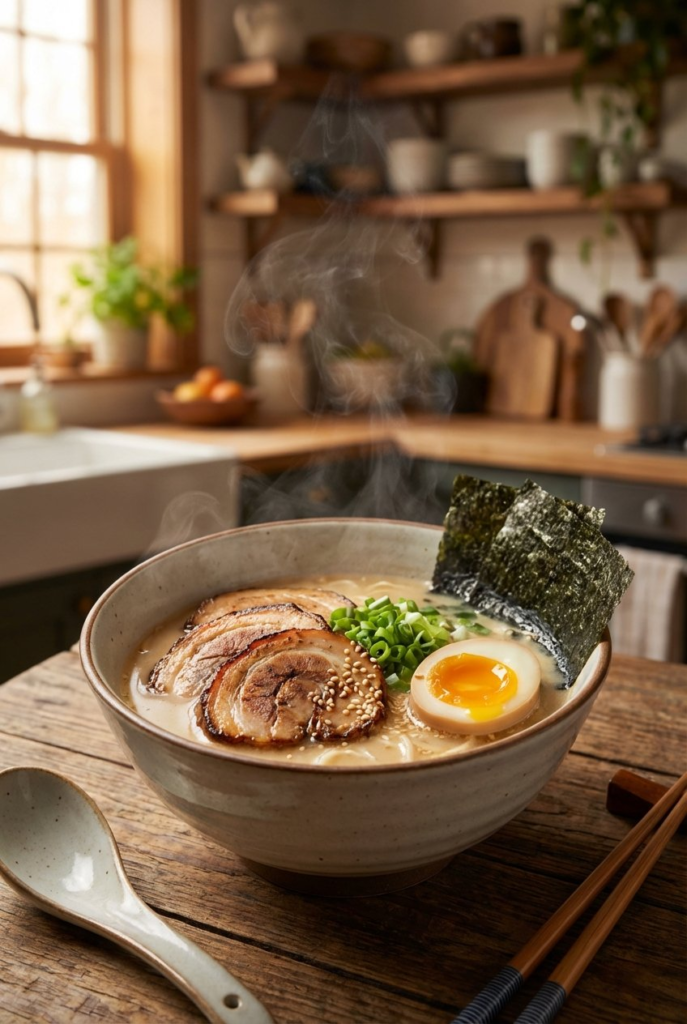
Ramen is one of the most iconic Japanese comfort foods, loved for its depth, warmth, and adaptability. At its core, ramen is a bowl of wheat noodles swimming in a rich broth made from bones, vegetables, or seafood. The broth can be light and clear or deeply cloudy and intense, depending on the region and style. For many people in Japan, ramen is the ultimate cold-day meal, something that instantly warms the hands and the heart.
Beyond its flavor, ramen is comforting because it feels personal. Everyone has a preferred style, topping, and noodle texture. From soft chashu pork to marinated eggs and scallions, each bowl feels thoughtfully assembled. Slurping the noodles is encouraged, adding to the sensory pleasure. At home, ramen becomes a slow ritual, letting you focus on aromas and textures, making it one of the most satisfying Japanese comfort food recipes to prepare and enjoy.
2. Udon Noodle Soup
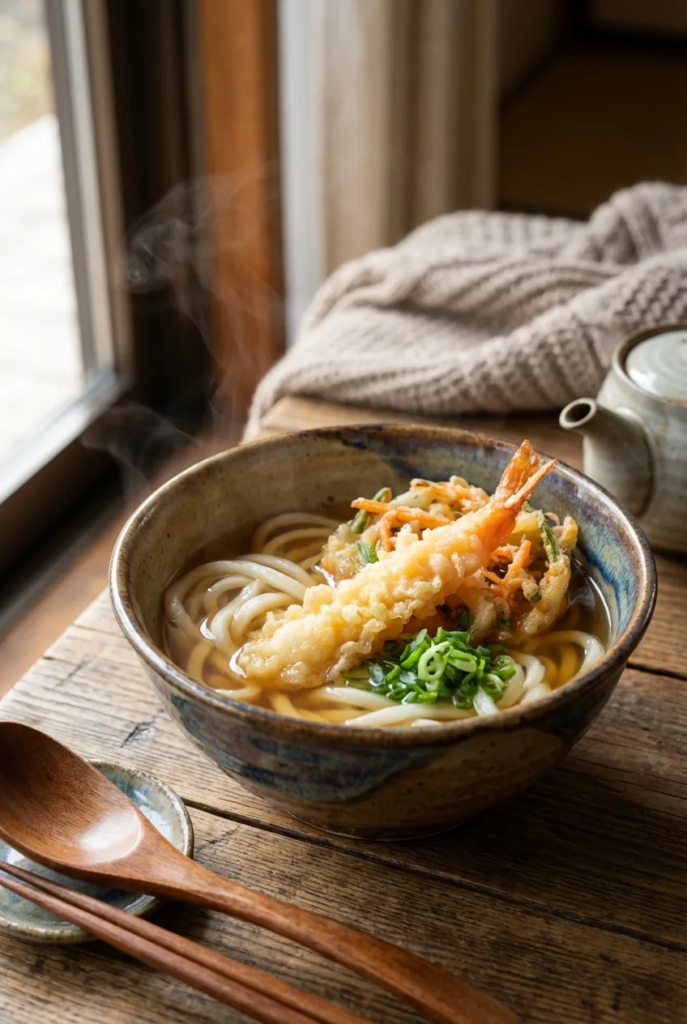
Udon noodle soup is comfort in its purest form. Thick, chewy wheat noodles sit in a clear, lightly seasoned broth made with dashi, soy sauce, and mirin. The flavor is gentle rather than bold, which makes it soothing and easy to eat even when you’re tired or unwell. In Japan, udon is often served when someone needs something warm but not heavy.
The real charm of udon lies in its texture. The noodles are soft yet satisfyingly elastic, creating a calming eating experience. Toppings like tempura, green onions, or tofu add variety without overpowering the dish. Udon soup feels like a pause in the day, a moment to breathe and reset. Among Japanese comfort food recipes, this one stands out for its quiet simplicity and emotional warmth.
3. Japanese Curry Rice
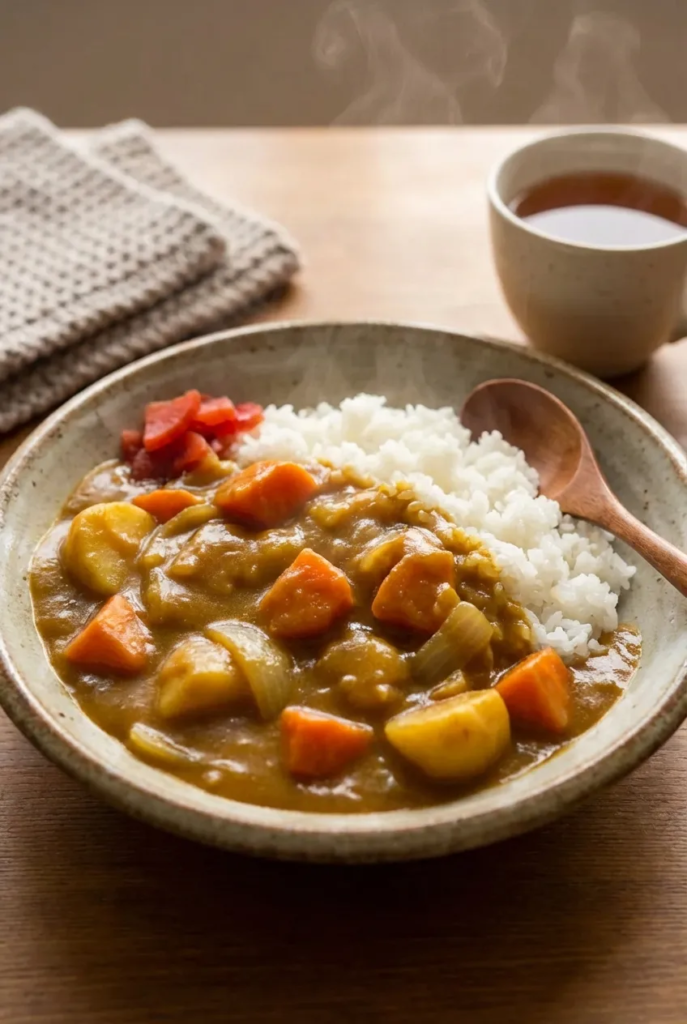
Japanese curry rice is a beloved home-style dish that feels familiar and deeply comforting. Unlike Indian or Thai curries, Japanese curry is mild, slightly sweet, and thick, often made using curry roux blocks. It’s commonly prepared with onions, carrots, potatoes, and meat, then served over fluffy white rice. This dish is especially popular during colder months.
What makes Japanese curry special is its nostalgia factor. Many people associate it with childhood dinners and family gatherings. The slow simmering process fills the home with a warm, inviting aroma. Leftovers taste even better the next day, making it practical as well as comforting. As far as Japanese comfort food recipes go, curry rice is hearty, forgiving, and endlessly satisfying.
4. Miso Soup
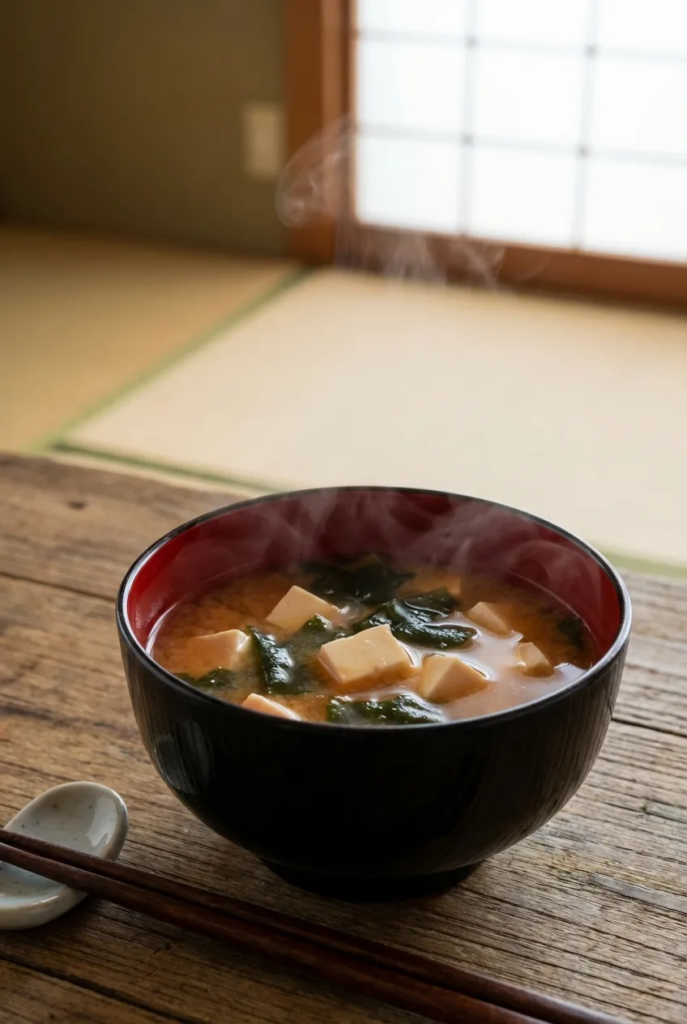
Miso soup may seem simple, but its comfort lies in its subtle complexity. Made from fermented soybean paste, dashi, and simple ingredients like tofu and seaweed, it’s often served daily in Japanese households. The warm, savory broth gently wakes up the palate and settles the stomach, making it both grounding and restorative.
This soup is especially comforting because it’s adaptable. Seasonal vegetables, mushrooms, or clams can be added depending on availability. The fermentation in miso provides depth and richness without heaviness. Sipping miso soup feels meditative, a small but meaningful ritual. Among Japanese comfort food recipes, this one proves that comfort doesn’t require complexity.
5. Oyakodon
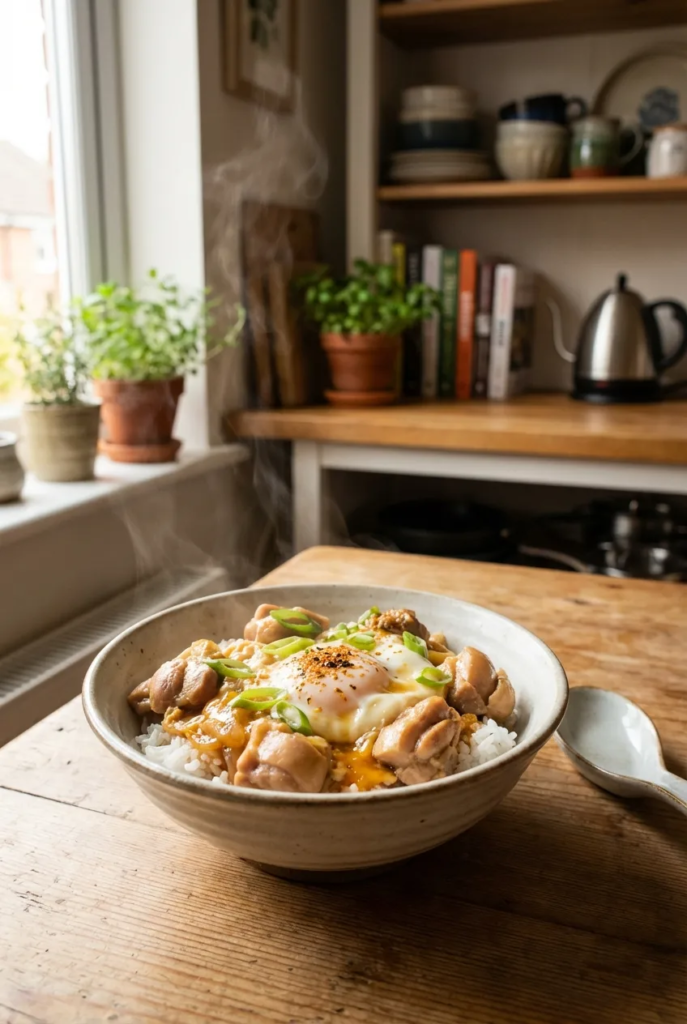
Oyakodon is a rice bowl topped with simmered chicken and egg in a lightly sweet soy-based sauce. The name means “parent and child,” referring to the chicken and egg combination. This dish is soft, savory, and gently sweet, making it incredibly comforting and easy to eat.
The texture of oyakodon is what sets it apart. The eggs are softly set, almost creamy, blending seamlessly with the sauce and rice. It’s often made quickly, which adds to its appeal as a weeknight comfort meal. Among Japanese comfort food recipes, oyakodon feels like a warm hug served in a bowl.
6. Tonjiru
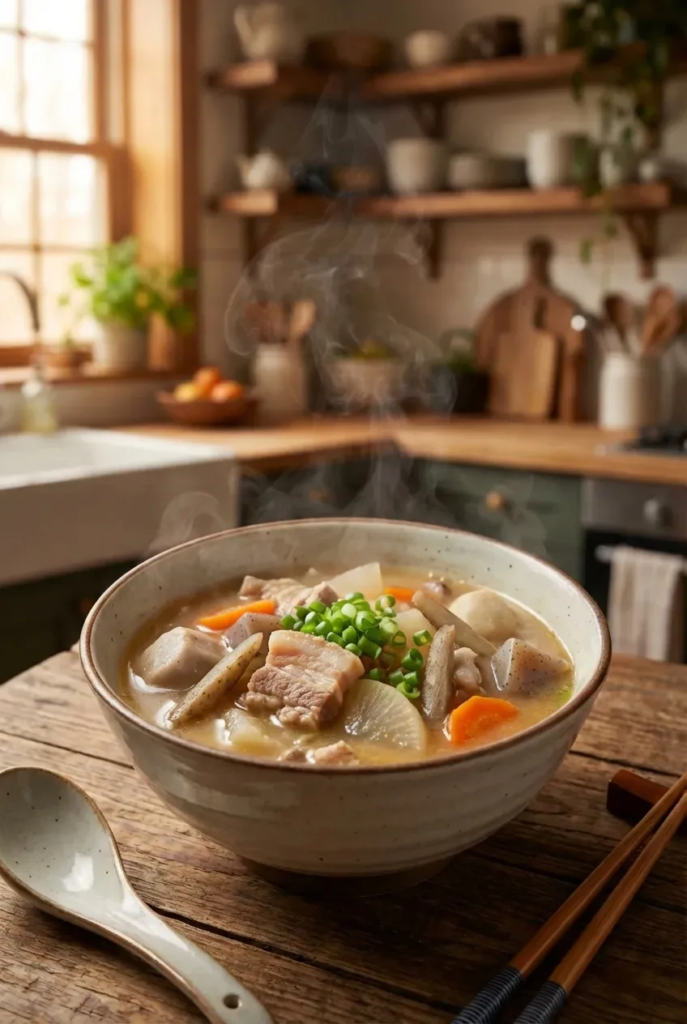
Tonjiru is a hearty miso-based soup filled with pork and root vegetables like daikon, carrots, and burdock root. Thicker and more filling than regular miso soup, it’s commonly enjoyed in winter. The combination of pork fat and miso creates a rich, deeply warming broth.
This soup feels rustic and grounding. Each spoonful offers layers of flavor and texture, making it both nourishing and satisfying. Tonjiru is often served as part of a simple meal, yet it easily becomes the star. In the world of Japanese comfort food recipes, it’s a perfect example of warmth through nourishment.
7. Nikujaga
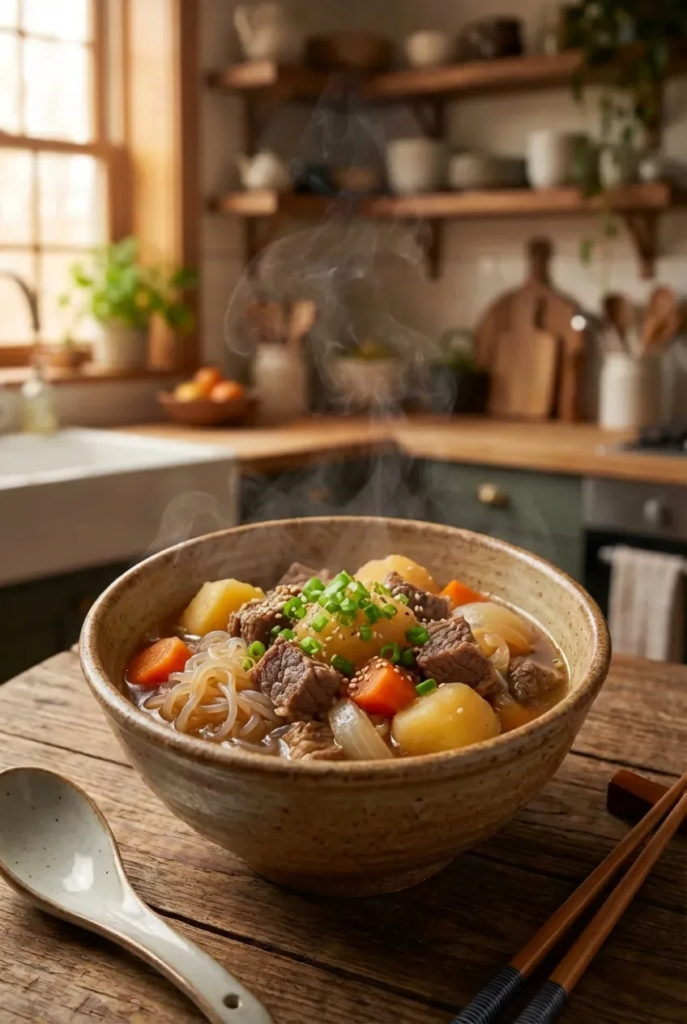
Nikujaga is a classic home-cooked dish made with thinly sliced beef, potatoes, onions, and a sweet soy-based sauce. It’s gently simmered until everything becomes tender and infused with flavor. This dish is strongly associated with home and family cooking in Japan.
The softness of the potatoes and the savory-sweet broth make nikujaga deeply comforting. It’s not flashy, but that’s exactly the point. This is food meant to be eaten slowly and appreciated quietly. Among Japanese comfort food recipes, nikujaga represents emotional warmth and tradition.
8. Onigiri
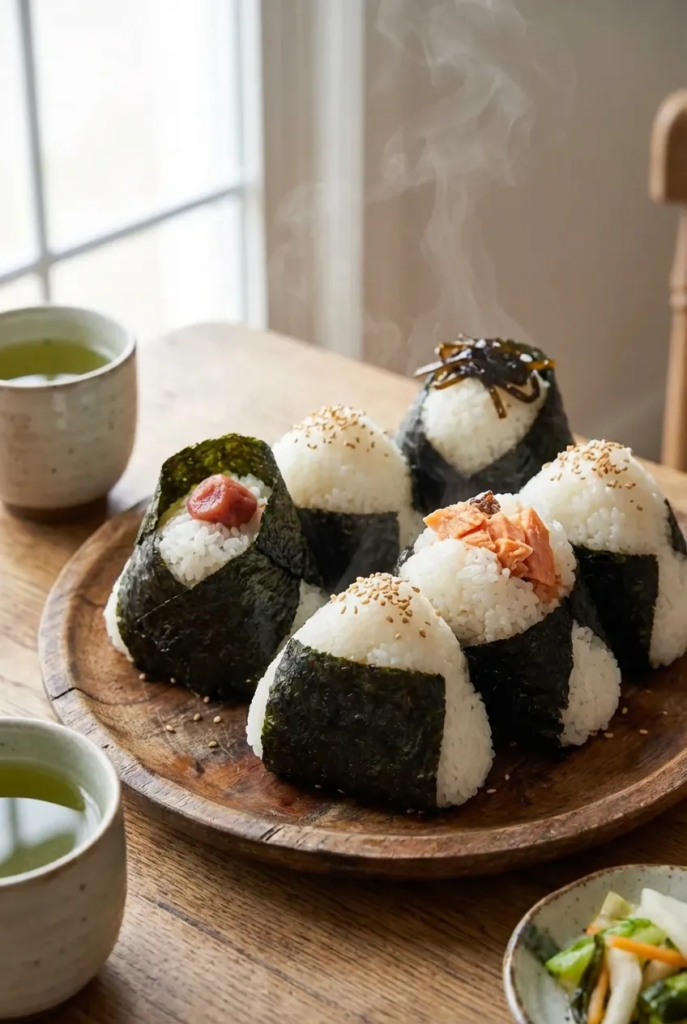
Onigiri, or rice balls, are simple yet emotionally powerful comfort foods. Made from seasoned rice and filled with ingredients like pickled plum or salmon, they’re wrapped in nori and eaten by hand. Onigiri are often associated with care, as they’re commonly packed in lunches by loved ones.
Their comfort comes from familiarity. Soft rice, gentle fillings, and portable simplicity make them reassuring. Onigiri can be eaten warm or at room temperature, making them versatile. Among Japanese comfort food recipes, they show how even the simplest ingredients can carry deep emotional meaning.
9. Tamago Kake Gohan

Tamago kake gohan is a humble dish of hot rice mixed with raw egg and soy sauce. The heat of the rice gently cooks the egg, creating a creamy, silky texture. It’s often eaten for breakfast or late at night when something quick and comforting is needed.
This dish is about trust and simplicity. With just a few ingredients, it delivers richness and warmth. The act of stirring everything together feels soothing in itself. As Japanese comfort food recipes go, this one is minimal yet incredibly satisfying.
See Also: 30 Minute Dinner Recipes for Busy Nights
10. Sukiyaki
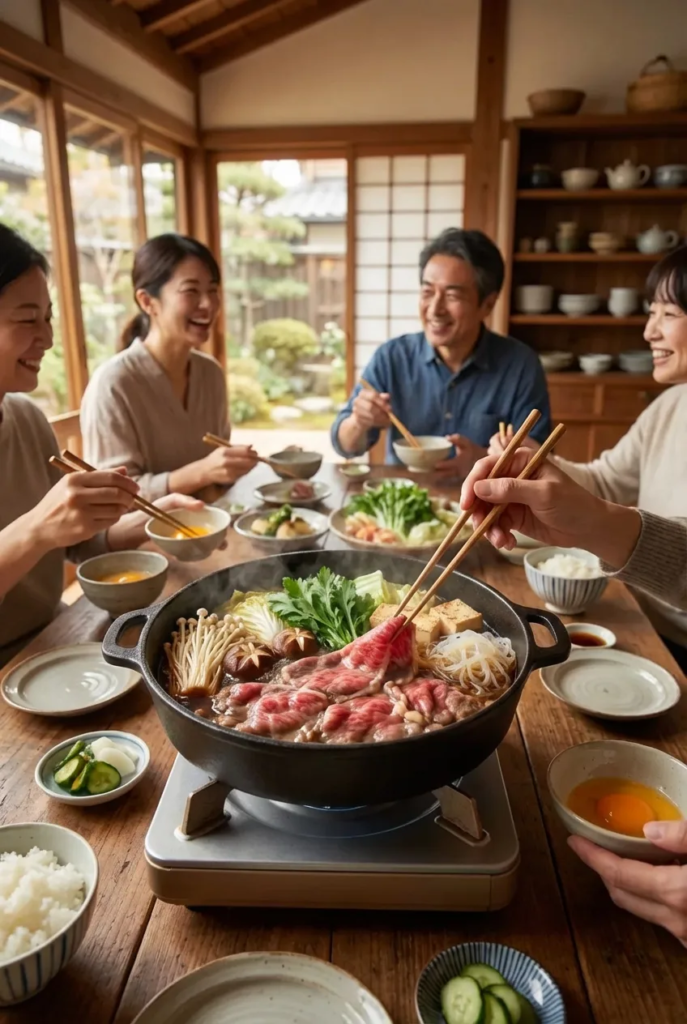
Sukiyaki is a hot pot dish where thinly sliced beef is cooked with vegetables in a sweet soy sauce broth. It’s often shared at the table, making it both comforting and social. The ingredients are cooked slowly, allowing flavors to deepen over time.
Eating sukiyaki feels indulgent yet cozy. The warmth of the pot, the rich broth, and the shared experience all contribute to its comfort. Among Japanese comfort food recipes, sukiyaki stands out as both celebratory and soothing.
11. Chawanmushi

Chawanmushi is a savory egg custard steamed until silky smooth. It’s made with eggs, dashi, and fillings like shrimp, mushrooms, or chicken. Served warm, it has a delicate flavor and a texture that feels almost like a whisper.
This dish is comforting because it’s gentle. There’s no sharpness or heaviness, just soft warmth. Chawanmushi is often served as a starter, setting a calm tone for the meal. In Japanese comfort food recipes, it represents elegance through simplicity.
12. Korokke

Korokke are Japanese croquettes made from mashed potatoes mixed with meat or vegetables, breaded and fried until golden. Crispy on the outside and fluffy inside, they’re a popular comfort snack or side dish.
The contrast of textures makes korokke especially satisfying. They’re often enjoyed fresh from the fryer, hot and comforting. Many people associate them with neighborhood shops and casual meals. Among Japanese comfort food recipes, korokke offer warmth through nostalgia and texture.
13. Zosui
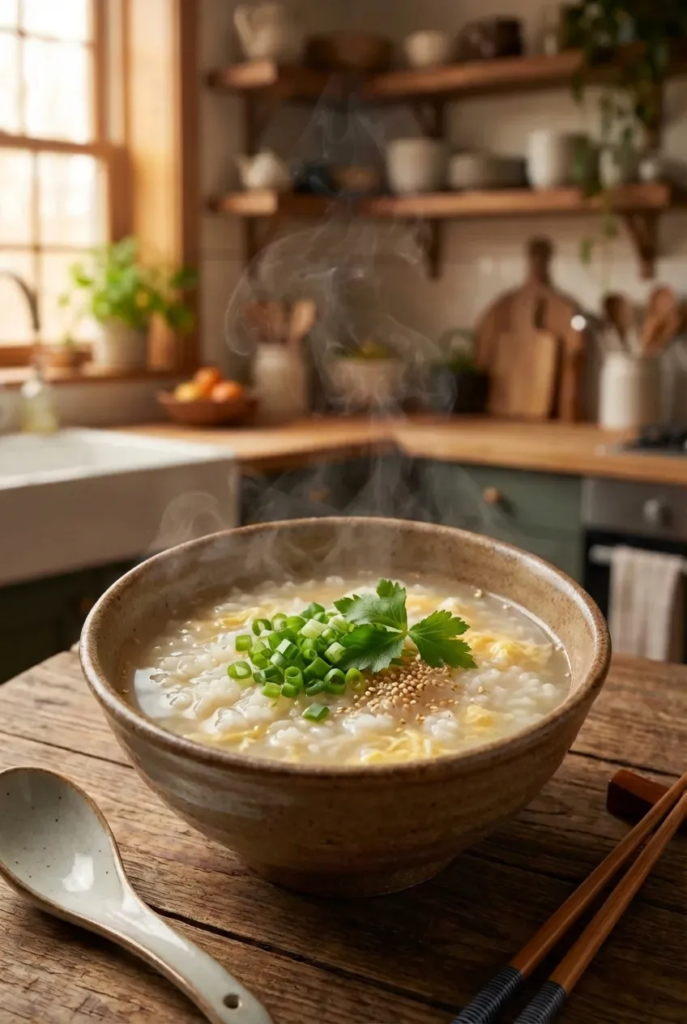
Zosui is a rice soup made by simmering cooked rice in broth, often using leftovers from hot pot meals. It’s soft, warm, and easy to digest, making it ideal when you need gentle nourishment.
This dish feels like recovery in a bowl. The rice absorbs the broth, becoming creamy and comforting. Zosui is often eaten when someone is tired or unwell, offering quiet reassurance. It beautifully concludes this collection of Japanese comfort food recipes with its humble warmth.
Conclusion
Japanese Comfort Food Recipes remind us that great food doesn’t need to be complicated to be meaningful. These dishes are built on warmth, balance, and familiarity, offering comfort not just through flavor but through experience. From steaming noodle bowls to gentle rice dishes, each recipe reflects a culture that values care, seasonality, and emotional nourishment. They’re the kind of meals that slow you down, inviting you to sit, breathe, and enjoy the moment.
Bringing these recipes into your kitchen is about more than trying something new; it’s about creating a sense of calm and connection. Whether you’re cooking for yourself or sharing a meal with loved ones, these foods offer reassurance on cold nights and stressful days. With simple ingredients and thoughtful preparation, Japanese comfort food has the power to turn everyday cooking into a deeply satisfying ritual.